The following piece was compiled in Mid-April. We apologize for the late posting. You may well see other flowers that seem early this year as the season continues.
This year, our native wildflowers began to emerge very early until the cold snowy week April 13-17 paused their emergence. They will resume their growth as the temperatures rise again.
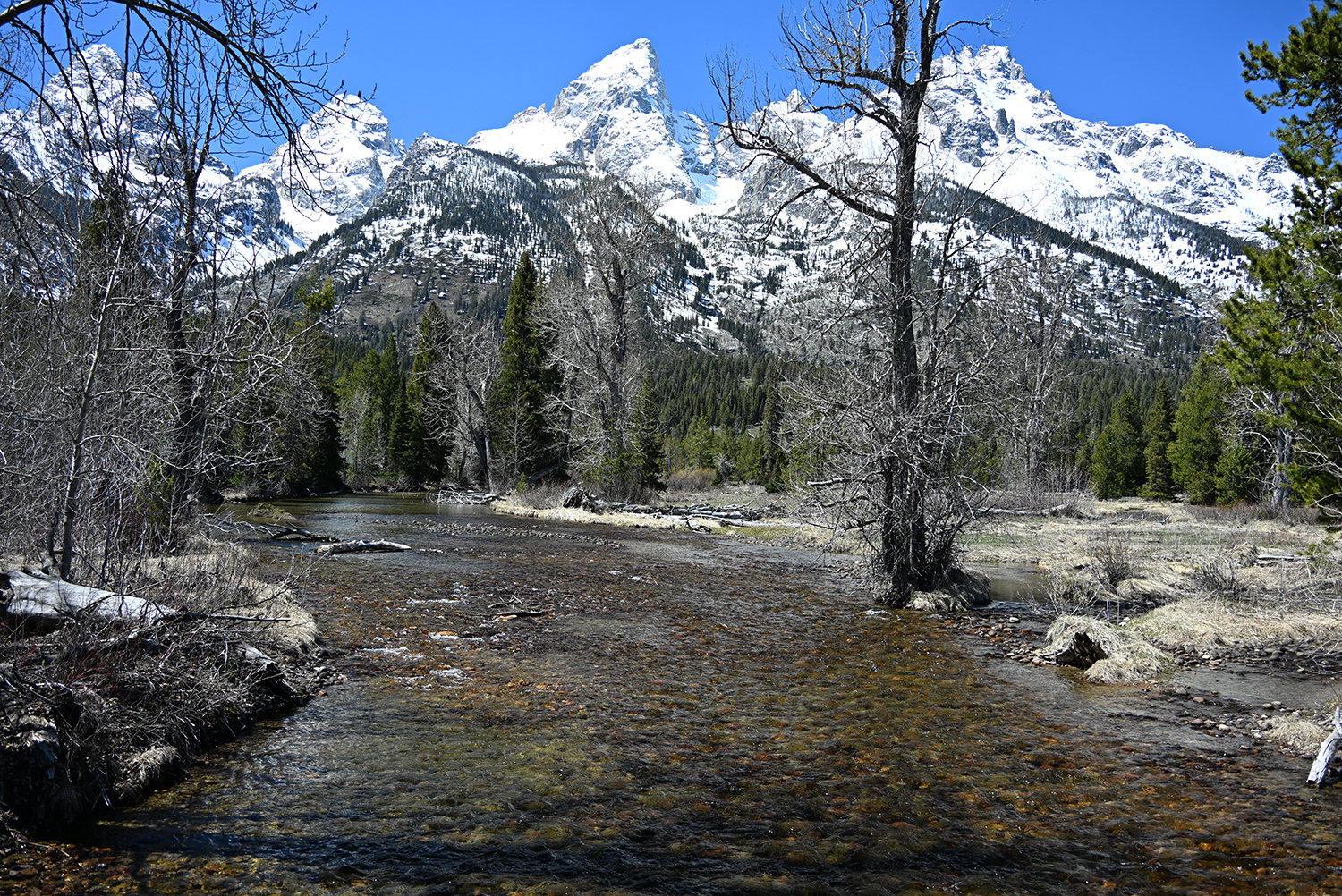
Spring 2026 appears to be a record-breaking spring in both temperature and in dryness. (Photo taken 4.21.26) Our meager snow melted off early with unusually warm temperatures releasing the native perennials and seeds from dormancy.
How does dormancy work? Very simply explained: With the advent of the shortening days of fall, plants shift their concentration of growth hormones to a dormancy hormone called abscisic acid which inhibits any growth processes from starting up in the middle of winter—think “January thaw”. But then according to the native plant’s genetics, those hormones begin to drop in concentration and growth hormones such as auxin resume influence. Additional day-length and accumulating warm days encourages new growth. Same thing happens in dormant seeds, their high abscisic acid concentration decreases after a certain length of winter cold. In any case, moisture is essential for growth of any plant, so its availability is also important.
So how early is early? After a presentation in mid-March in Wilson on cheatgrass hosted by The Nature Conservancy (TNC), Wyoming, several of those attending were noting how early spring was. A few remembered that Frank Craighead took a regular route along the west side of Blacktail Butte back in the 1970s, carefully noting what was in bloom, leaf, and fruit. Starting in the 2010s, new efforts arose to retrace Frank Craighead’s route and compare information.
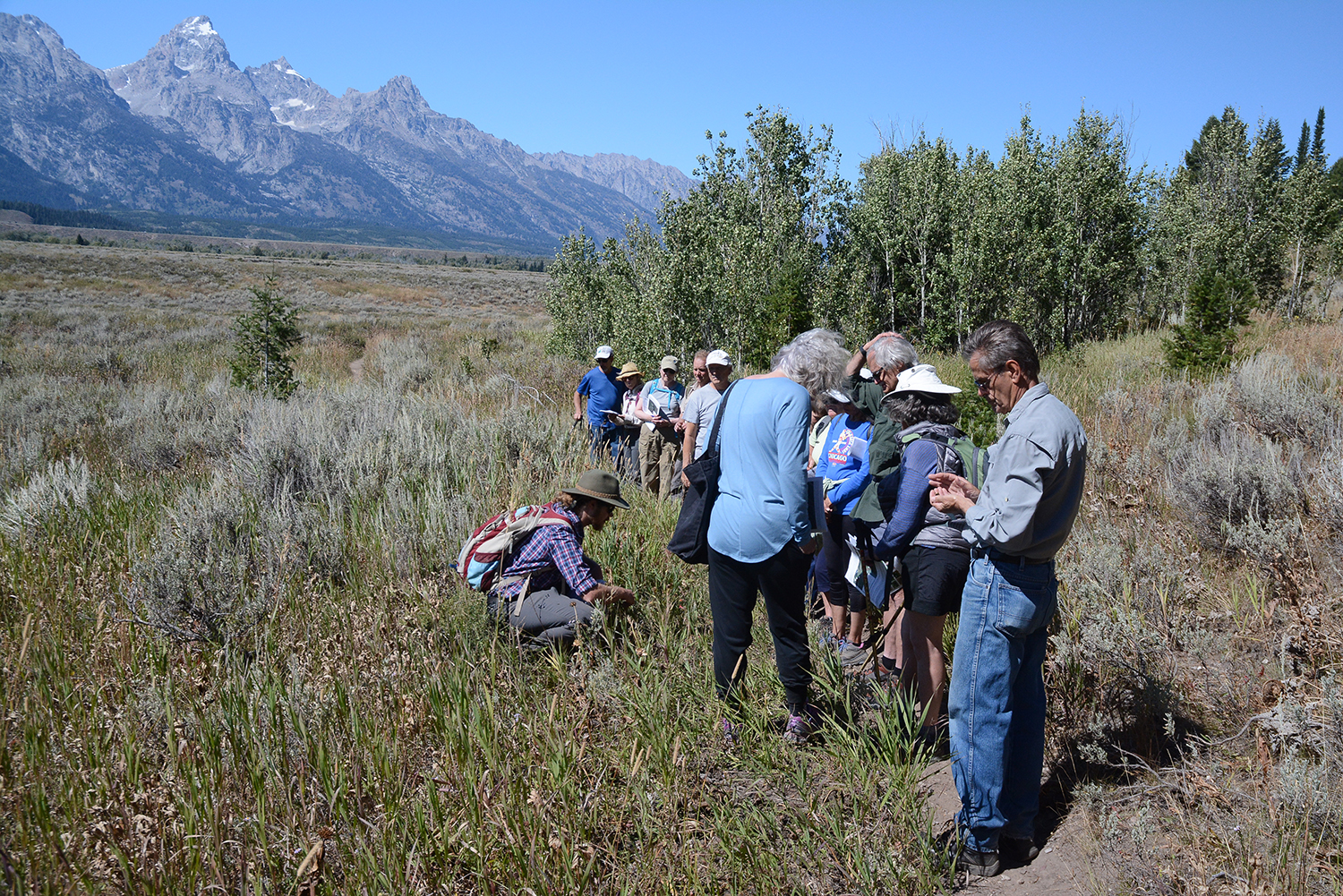
Consequently, Corinna Riginos and Trevor Bloom began collecting data in 2016, and published a paper on the data gathered from 2016-2019. TNC scientists continued collecting phenology data at Blacktail Butte until 2024. Concurrently, The Nature Conservancy has developed a program called Wildflower Watch currently managed by Charlotte Cadow which incorporates phenology sites in Teton County and elsewhere, but not recently Blacktail Butte.
So for direct comparison to Frank Craighead’s work, an informal group of volunteers – professionals from TNC, GTNP, Teton County Weed and Pest, Teton Conservation District, and USFS have organized to update the data using the Craighead’s list of plants and route, along with the updated protocols of Wildflower Watch.
Preliminary findings: In Mid April 2026 Charlotte Cadow of TNC compared Frank Craighead’s first flowering dates from the 1970s (not a robust analysis – just numbers jotted down in her notebook):
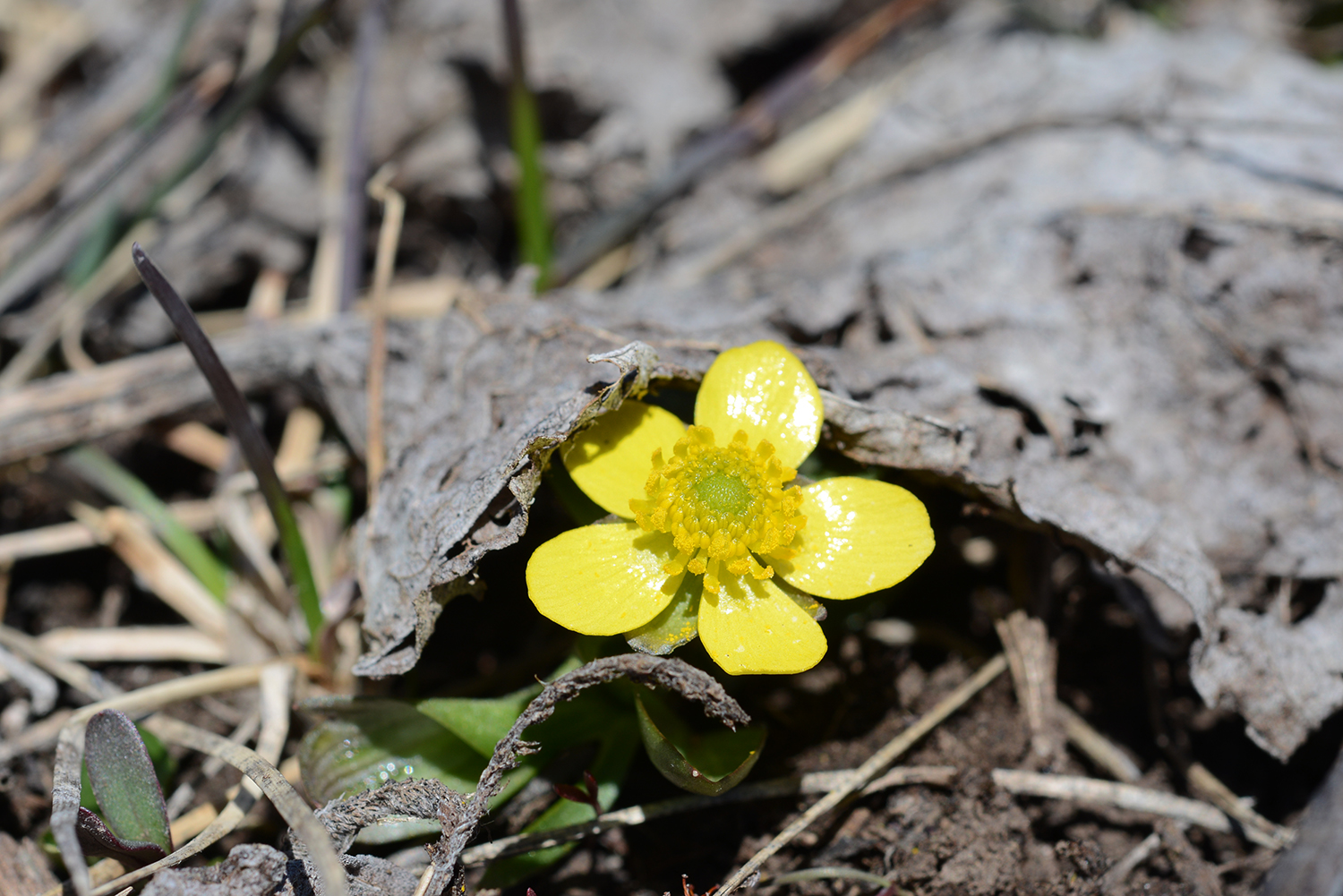
SAGEBRUSH BUTTERCUP (Ranunculus glabberimus): First flower on March 25th, 2026 (DOY 84), by Kym Sutton and Meta Dittmer. Note: DOY = Day of year)
- April 21, 1974 (111)
- May 5, 1975 (125)
- May 19, 1976 (127)
- First flower ~37 days earlier than in the 1970s
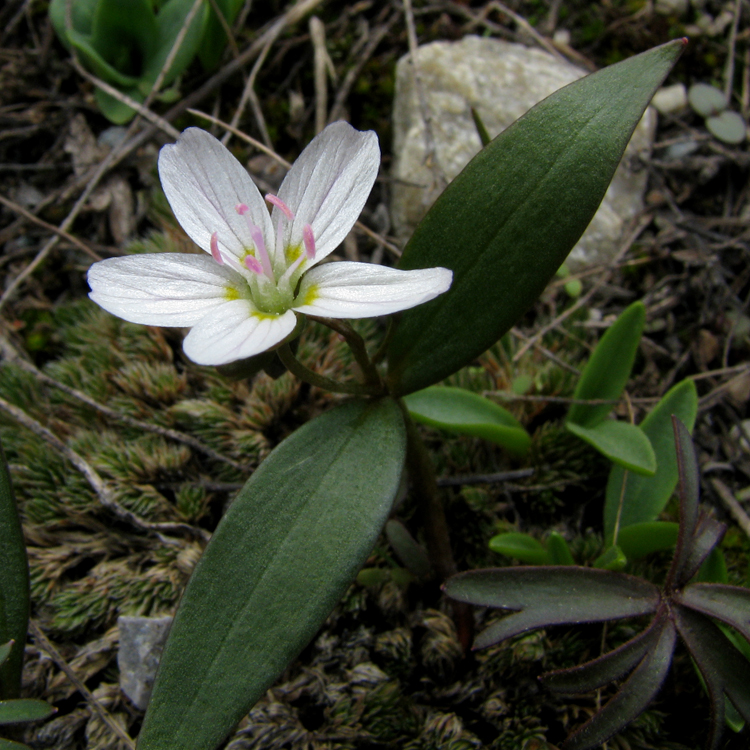
SPRING BEAUTY (Claytonia lanceolata): First flower March 25th, 2026 (DOY 84), by Avery Blumenthal
- April 24, 1974 (114)
- May 12th, 1975 (132)
- May 6th, 1976 (127)
- April 27th, 1977 (117)
- April 30th, 1979 (120)
- ~38 days earlier than in the 1970s
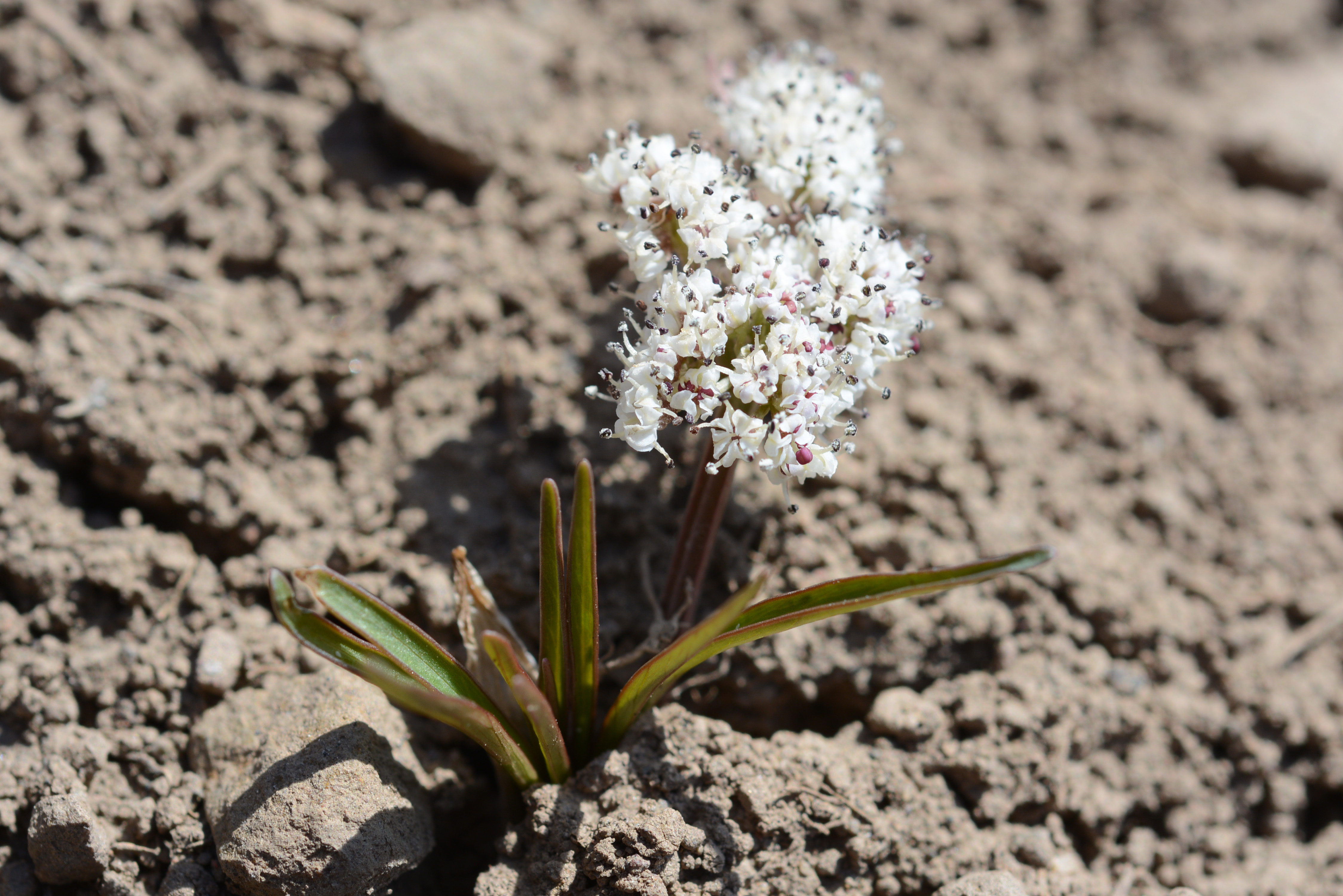
TURKEY PEA (Orogenia linearifolia): First flower on March 25th, 2026 (DOY 84), by Kym Sutton and Meta Dittmer
- May 3rd, 1973 (123)
- April 21st, 1974 (111)
- May 12th, 1975 (132)
- April 16th, 1977 (106)
- April 27th, 1979 (117)
- ~34 days earlier than in the 1970s
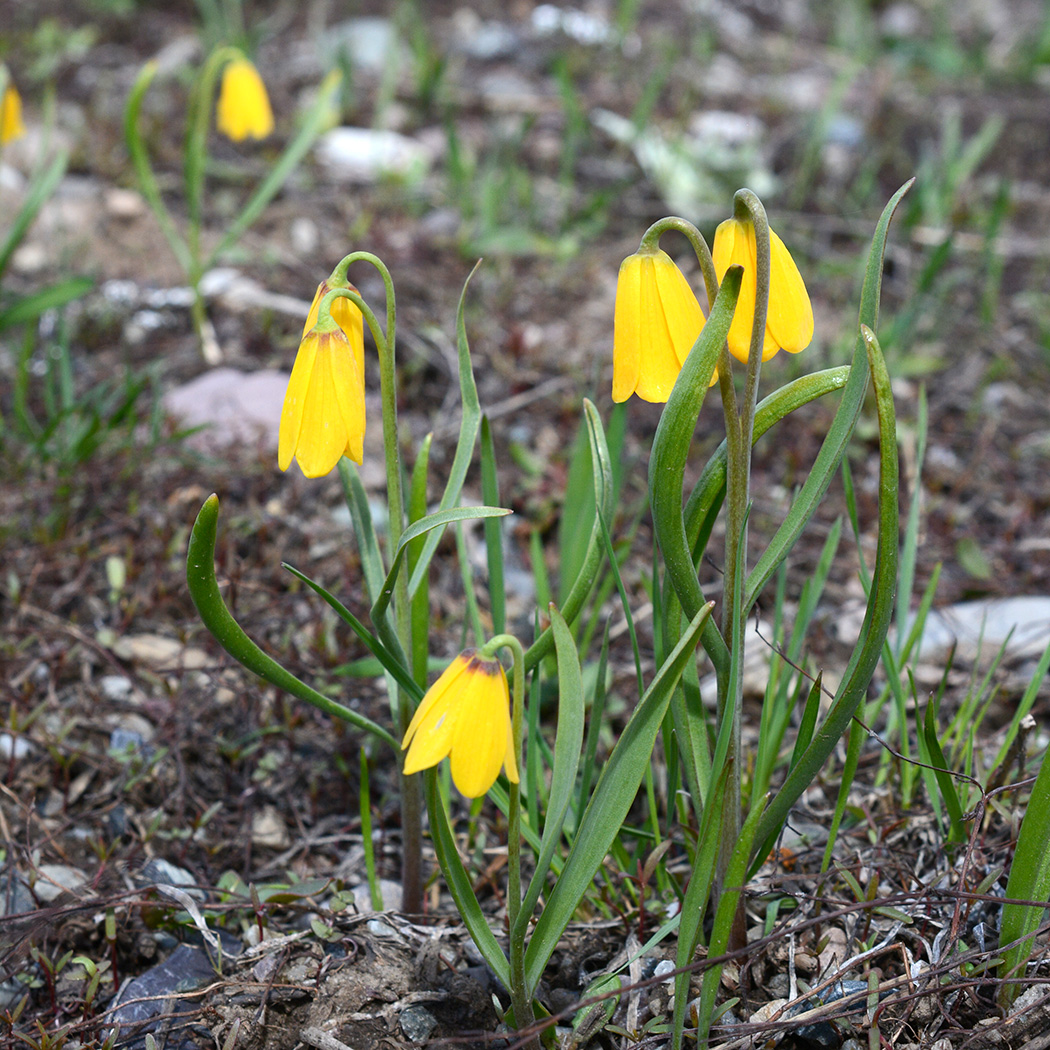
YELLOWBELLS (Fritillaria pudica): First flower on April 4th, 2026 (DOY 94), by Jasmine Cutter
- May 17th, 1975 (137)
- May 6th, 1976 (127)
- May 4th, 1977 (124)
- April 30th, 1979 (120)
- ~33 days earlier than in the 1970s
Results: Blooming times for some flowers are well over a month earlier than the 1970s!
Many thanks to Charlotte Cadow of The Nature Conservancy, Wyoming, for providing this very preliminary information and to all those who gave their time to conduct this survey.
Frances Clark, Teton Plants,
6.9.26
 Teton Plants