WELCOME
We invite all those interested in the native plants of Jackson Hole to enjoy our programs, information sources and good company. We are Teton Plants, which is the Teton Chapter of the Wyoming Native Plant Society. Voluntary membership dues help support our educational efforts. We welcome your participation in any way you choose.
LECTURES, WALKS, HIKES AND MORE
Teton Plants, along with JH Bird and Nature Club, co-sponsor monthly programs at the Teton County Library on the 2nd Tuesday of each month as part of Nature Night Series. Teton County Library, 125 Virginian Lane, Jackson, WY. Talks start at 6pm and are FREE. We welcome your ideas for speakers!
UPCOMING EVENTS
We encourage you to ask to be placed on our email list—email us at tetonplants@gmail.com—to receive notification of programs and other related natural history events. While we place some notices on this website, others are sent only to our email list. You want to be alerted to our “impromptu” hikes, right?
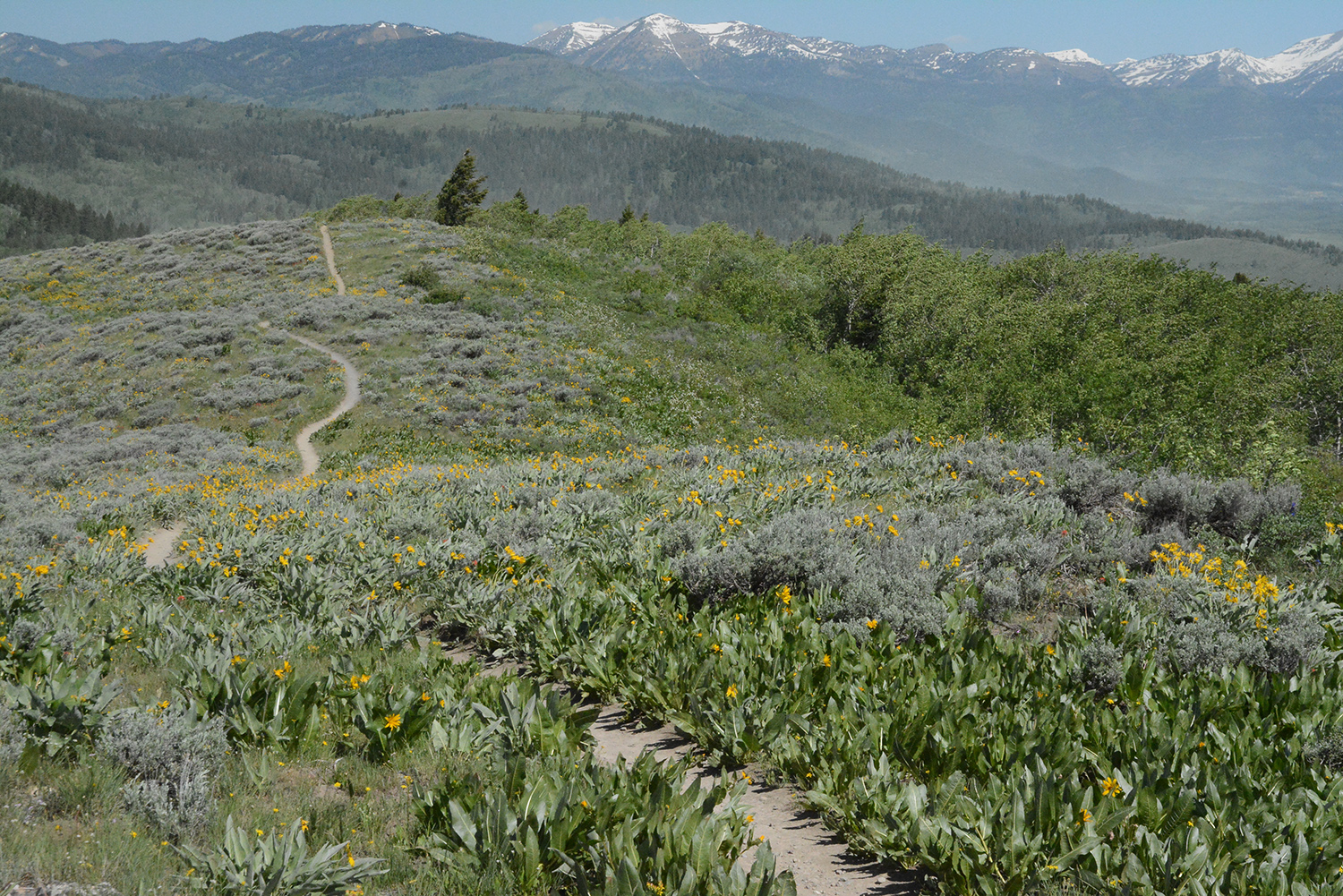
Wednesday, June 18, 9:30 a.m.- 12:00 p.m. Impromptu Hike up Wally’s World, south of Wilson. Meet: promptly 9:30 at BTNF parking lot, Fall Creek Road, approx. 8.5 miles (about a 20-minute drive) south of jct. with Rte. 22 in Wilson. (Fall Creek Road starts at the base of Teton Pass just west of the gas station). Leader: Frances Clark, Teton Plants. Wally’s World hike is a moderate approx. 1.5-mile hike up through aspen groves to a ridgeline overlooking Red Top. Along the open ridge many different flowers are in full bloom right now including paintbrushes, larkspurs, penstemons, and many, many composites all providing quite the flower show with a great view! Bring camera and binoculars, wear hiking boots, hat, etc.
Impromptu hikes! Make sure you sign up for emails to get notice of our impromptu hikes. We did one recently, featuring “dry knoll habitat” plants, on May 28th at the north end of Flat Creek Rd and the Elk Refuge Road
CLICK HERE FOR REPLAY: Tuesday, April 8, “Restoring Sagebrush Habitats: Insights in Plant Traits and Soil Microbes Vital for Success.” Presenters: Daniel Laughlin, Linda van Diepen, and Dillon Romero of University of Wyoming; Laura Jones of Grand Teton National Park. Sagebrush steppe restoration remains a significant challenge in Jackson Hole and throughout the West. At Grand Teton National Park, efforts have been underway to remove smooth brome grass and invasive species from Antelope Flats and to plant native sage, wildflowers, and grasses to create a biodiverse habitat. Our presenters from the University of Wyoming will share the latest research on the importance of soil microbiota, including fungi and bacteria, as well as the role of plant traits—such as leaf area, seed production, and root mass—in supporting the growth of native species. This cutting-edge research may hold the key to optimizing restoration efforts and advancing our understanding of how to best restore sagebrush ecosystems.”
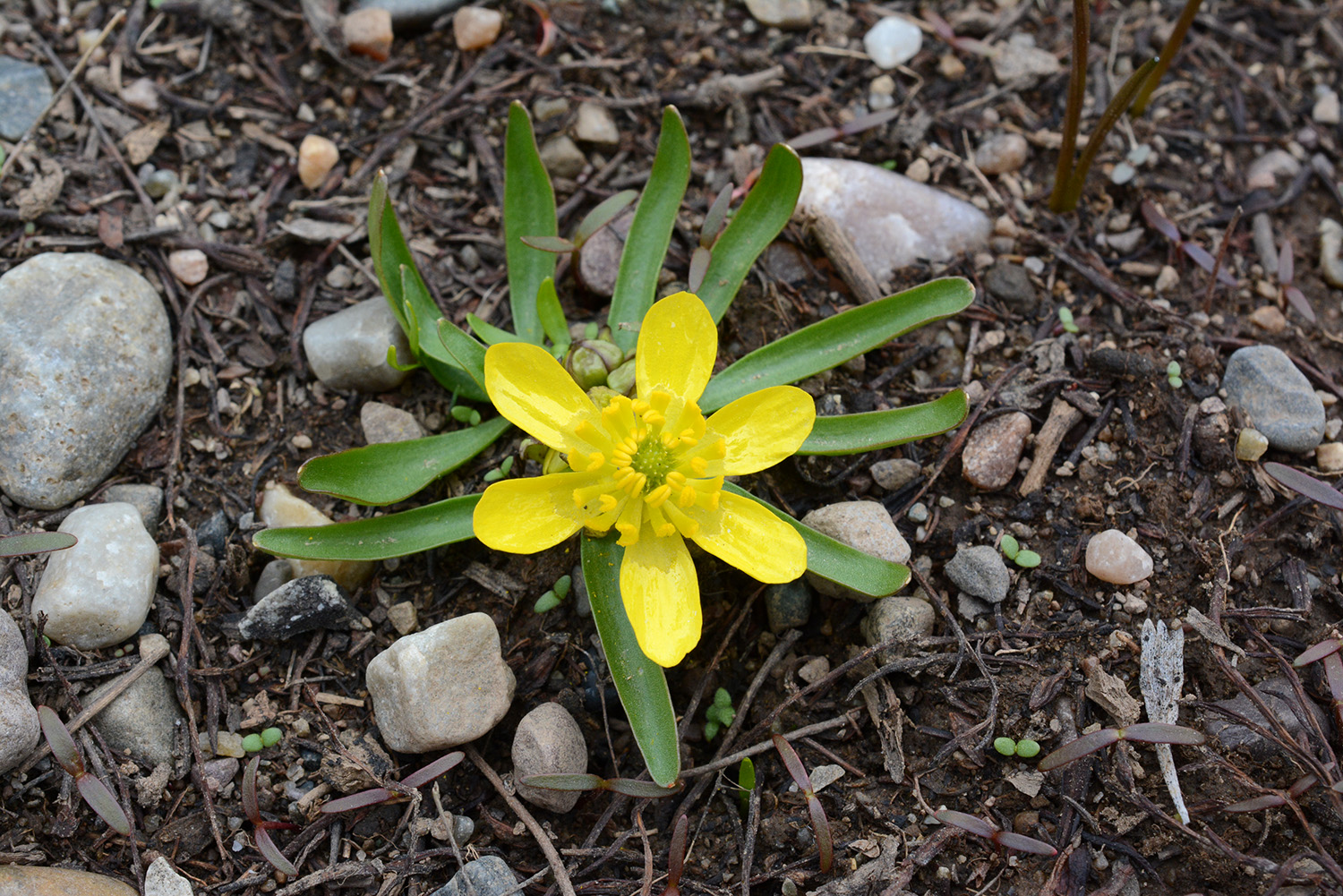
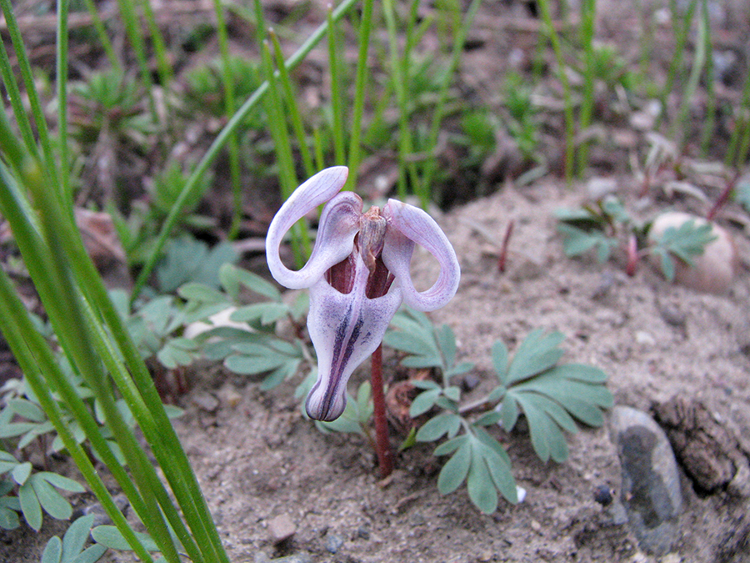
CLICK HERE FOR REPLAY: Tuesday, March 12, “Dry Knoll Plants of Spring,” Frances Clark of Teton Plants. The first flowers to bloom in Jackson Hole are frequently found on south-facing slopes of buttes and exposed tops of dry hills. These sparse habitats feature relatively little snow and poor soils, yet a diversity of low-growing wildflowers from different plant families know how to survive. Take a virtual hike with Frances Clark to spy these early, sturdy, colorful species and discover their key ID features, survival methods–toxins, and associates –fungi, pollinators, and more. Viewers can just enjoy the colorful array of flowers or geek out on details. In any case, this flower show will cheer one on through March. Frances Clark is the Program Coordinator for Teton Plants. She has been rambling Jackson Hole for flowers since 2011.
And in the meanwhile, enjoy our past “What’s in Bloom” postings (listed in the side bar on this page) to see what to look for this coming growing season!
MEMBERSHIP
If you’d like to join our group, our annual dues are $5/year (that’s not a typo, dues are just $5). Please click on this link to go to the membership page of our parent group, the Wyoming Native Plant Society. That page has a drop down menu of choices and a PayPal button to join. Our group is called Teton Plants. Thanks! (When meetings start again, we’ll also take cash and checks.)
CHAT
To chat with others in the group, post a comment below (the most recent comment is on top and see “Stay In Touch” below to learn how to subscribe to comments). For example:
- Log a special plant siting (please, for their protection, do not give locations of rare plants), OR
- See if others want to meetup for an impromptu plant hike, OR
- Suggest an activity for our program
To help identify a plant, send the image(s) in an email to – tetonplants@gmail.com – and try to keep the file under 1 MB. We will show the image in a blog post with the name and, perhaps, other information. In the comment section for that blog post, anyone can weigh in on the answer. You can find all plant ID posts by clicking here or on the Plant ID category in the sidebar.
STAY IN TOUCH
There are three ways you can stay on top of all of our activities:
First, email us to join our email list by clicking here – OR tetonplants [at] gmail [dot] com. Get notices and reminders of events (this is different than subscribing to new blog posts).
Second, join the comments on this page, our homepage, at the bottom. You have to make a comment to join, so go ahead and make a comment like, “subscribe me to comments.” ALSO, check the box, “Notify me of follow-up comments via email.” We’ll delete the comment but you’ll still be subscribed. NOTE: the name you enter to sign up will be emailed to everyone who has subscribed to comments.
Third, to receive new blog posts by email, enter your email in the sidebar at the upper right and click the Follow button.
 Teton Plants
Please subscribe me to the comments. Thanks, Marta
subscribe me to comments
Nice Plants, they are cute
Please subscribe me to comments!
Subscribe me to comments
ths
Please subscribe me to comments
Please delete the Facebook icon as you do not have a Facebook page. Better yet, please set up a Facebook page so I can share your e-mail posts. The beautiful pictures that are sent via e-mail to us will not copy over easily to Facebook from email. Thanks.
I’m not sure if Bettina Sparrowe’s comment below was sent specifically to me or to new members in general. Either way, I’m not sure what she is conveying about a facebook icon. I do have a fb page … Sorry. Confused. Janice Harris
I’m setting myself a goal of identifying the trees in our valley. Anyway Teton Plants could include an interest in trees? Maybe a Tree-Identification walk?
Love you guys and gals!
I had no confirmation for a hike on Thursday the 28th on Teton Pass. I signed up on Monday…
Boohoo!
Maybe I’ll just show up.
Please subscribe me to comments.
Thank you,
Trish
, subscribe me to comments
Please subscribe me to comments. Melanie
Um, I just heard an interview on KHOL with Frances Clark. Not all plants reproduce by seeds. Moss, ferns, liverworts, and horsetails do not produce seeds, and many species under these categories are native to WY. Just sayin.
You are right that there are plants that grow from spores…fascinating alternating generations of vascular ferns, clubmosses, and equisetum. To keep it simple, I am focusing on seed plants. Seed plants are the dominant group here in Jackson Hole due to the dry, cold, seasonally chancy conditions which seed plants have evolved to cope with over 65 million years. Dorn lists approx. 37 taxa of sporophytes in Teton Co. vs. approx. 1000 taxa total recorded for TNP, so i think it is appropriate to say that what we see are mostly seed plants. I hope to see you at the program tomorrow night!
Can any one offer any advice/tips on how to best transplant native species from the TB National Forest for a landscaping project?
We’ve been doing that for years in an effort to establish native plants around our home. You’ll need to buy a permit to dig plants from the Forest office, as you probably know. We’ve found that a key tool is a way to keep the plants moist and stable while traveling between original home and new home. For that the best we’ve come up with is relatively flat plastic storage bins partly filled with soil or a soil-Soil Pep mixture (our favorite). Get as deep—as much root—as you possibly can and keep the plant moist during and after your transplantation trip.
The Tetons are so beautiful. If you’ve never been to western Wyoming, you need to add it to your bucket list.
Enjoyed the wildflower hike on Old Pass Road. Amy, Rachael and Jill did a great job. And as always it was fun to learn from everyone there. Plan on talking to my town to ask if I can pull/dig up some Houndstongue that I know are present (even though they are pretty). Lunch was a nice treat too.
Anybody up for a hike in the next couple of days. Your choice, but I would like tram, cascade cyn, death cyn or even sheep mt.
Has anyone been up Horsethief/Wilson Canyon to check out the fire? I was up a couple of weeks ago and grass was poking through the charred ground.
It will be interesting to go up Horsethief now to see what is sprouting. Also get out to see the Balsamroot, which is at its peak throught the southern end of Jackson Hole.!