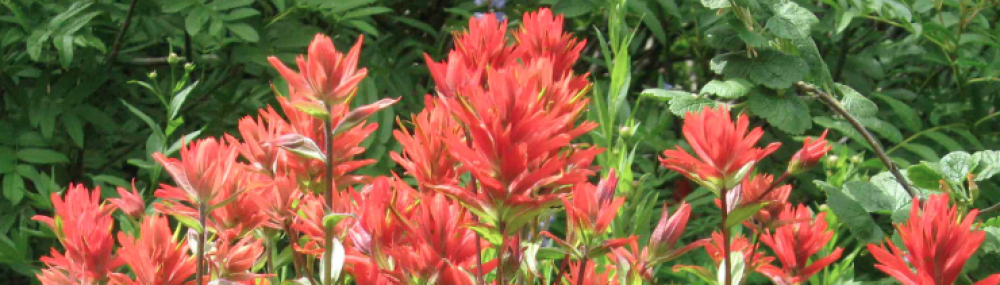
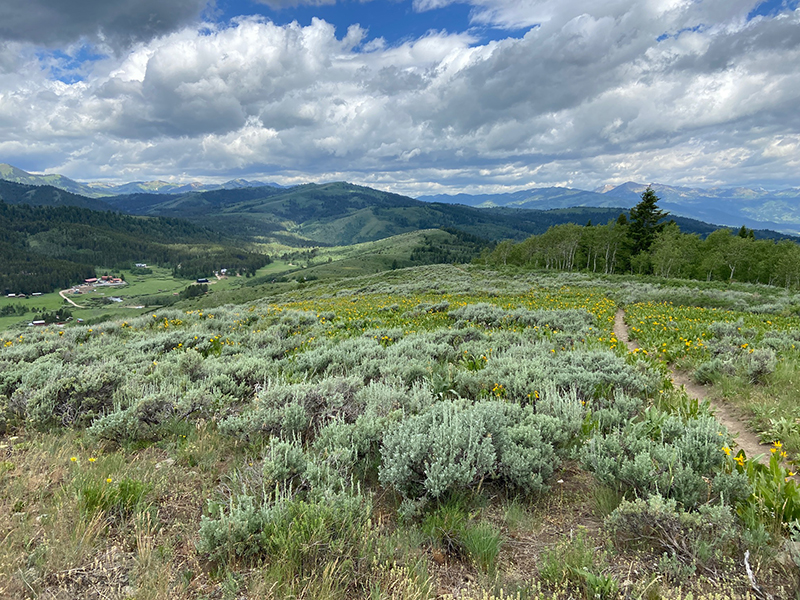
Leaping into summer with warm weather and strong winds, the flowers are flourishing in many areas around the valley.
In the sagebrush and other open drier sites, several common favorites are blooming.
Sulphur Buckwheat – Eriogonum umbellatum – is forming cream-to-rose clusters of flowers that look like clouds floating over mats of oval leaves.
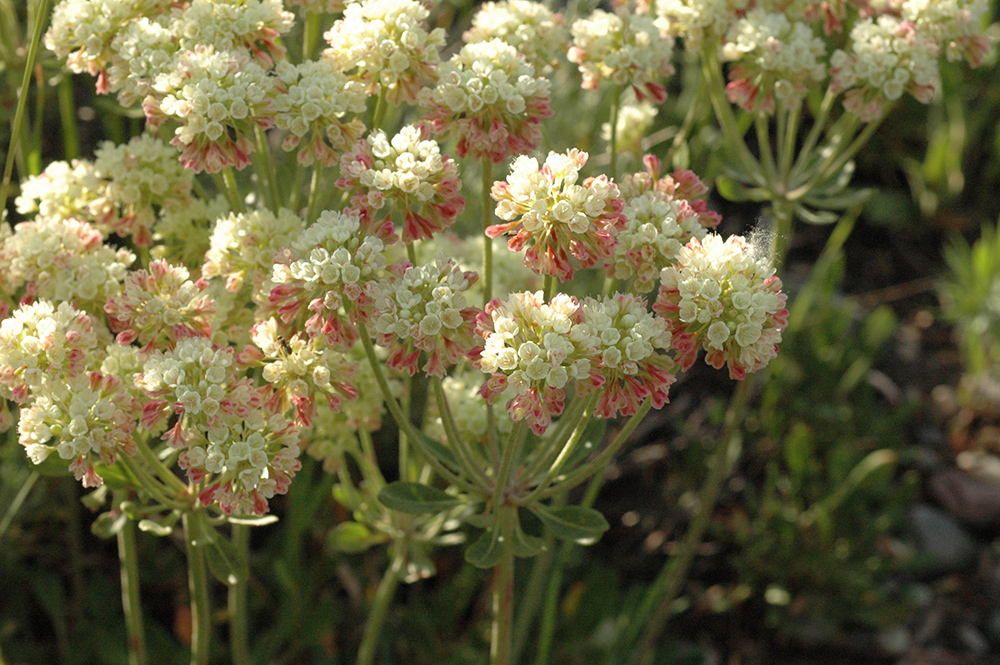
The top side of the leaves is green, the underside is hairy and therefore grayish. Little brown seeds will be welcome nourishment for sparrows and such when they ripen late summer.

The two-foot tall stems of Scarlet Gilia – Ipomopsis aggregata – are waving in the breezes both in the valley and up the mountainsides.
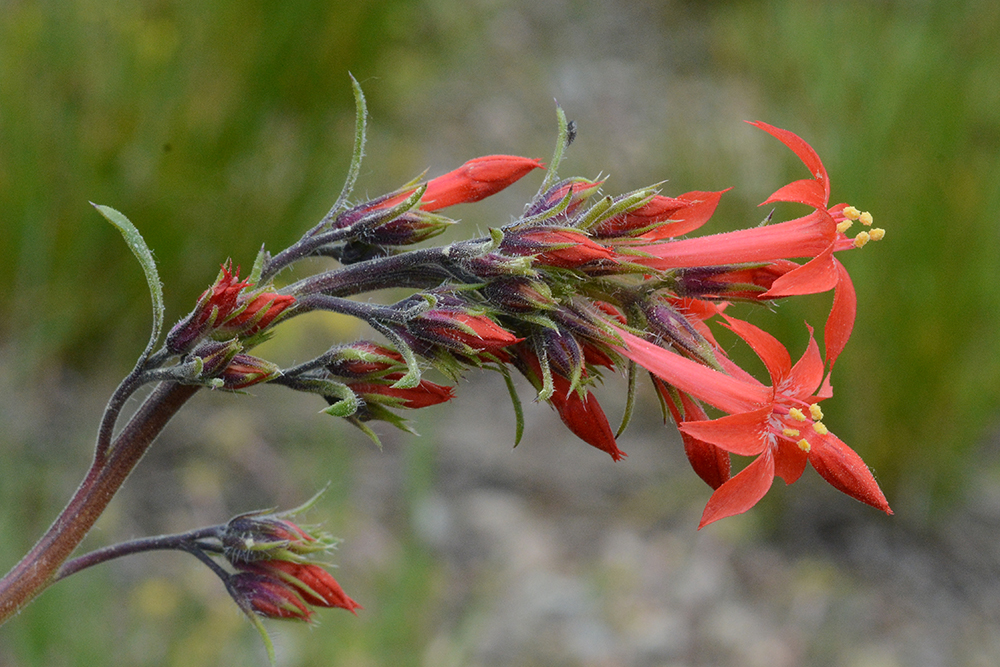
Plants sport red trumpet flowers which are pollinated by hummingbirds and as the flowers fade, sometimes long-tongued hawk-moths. These pollinators can hover while inserting their tongues deep inside the flowers to lap up nectar. In the process they bump against the five anthers which scatter yellow pollen on their foreheads. The pollen is then carried to another flower where the female stigma is sticking out.
Silky Lupines – Lupinus sericeus – grow in the dry sage flats.
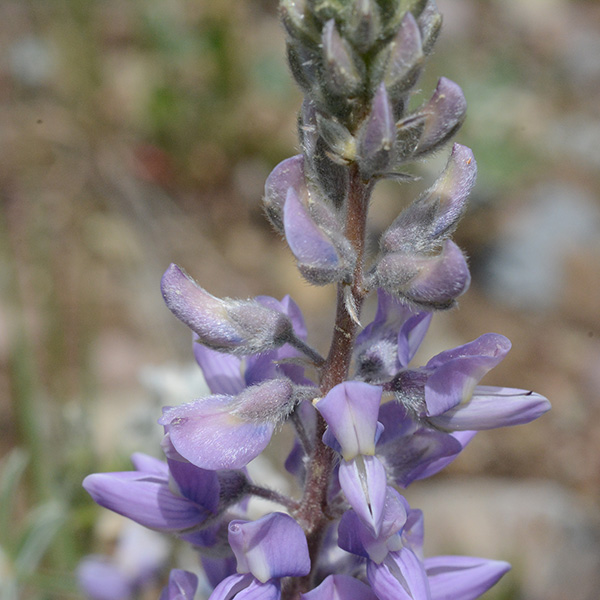
Exposed to intense sun and winds, the flowers and leaves are covered by silvery hairs that reflect the sun’s rays while also reducing the drying effect of wind – the hairs slow the wind the way trees in a forest produce calm.
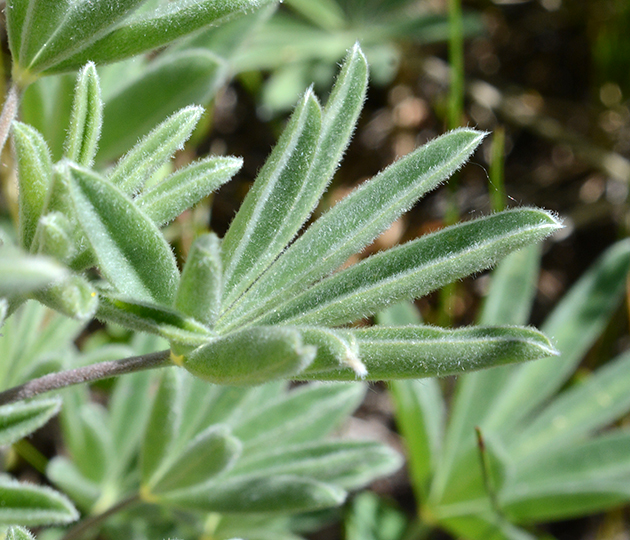
Lupines have typical “pea-like” flowers, produce pods, and have palmately divided leaves. They are in fact in the Pea Family – Fabaceae. They are also informally called legumes.
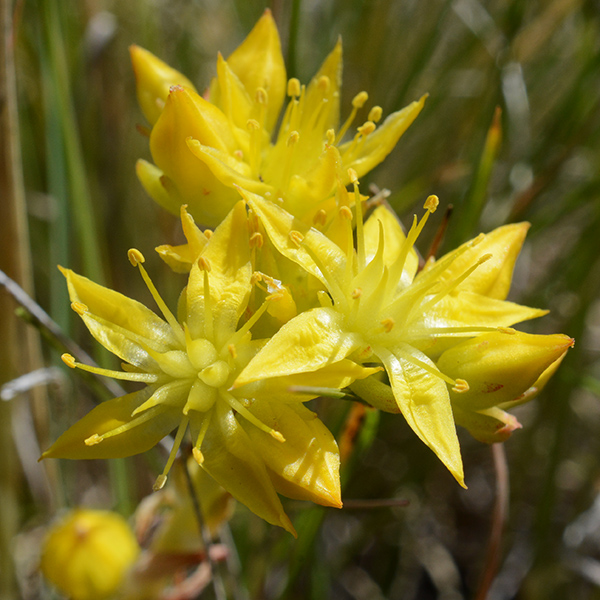
Lance-leaf Sedums – Sedum lanceolata – are having a good year of bloom. As the leaves are small and often the color of the ground, sedums are most easy to find when they are in bloom.
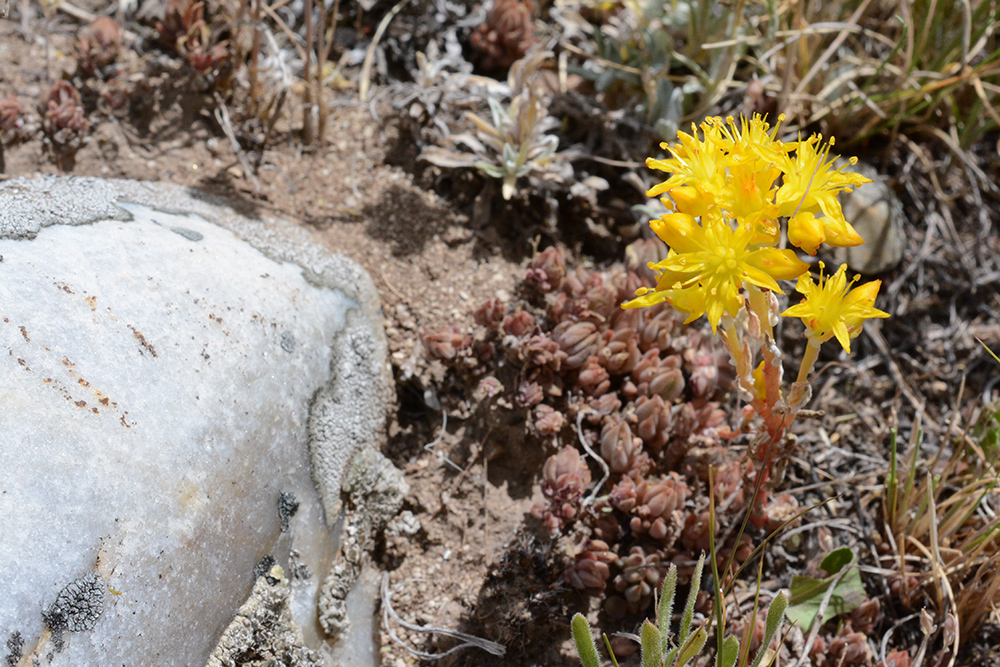
These 4” high plants have ¼”pudgy succulent leaves that store water, an adaptation to dry sites. Plants are often found on rocky or well-drained soils. If detached, the leaves can root and start a new plant which is a good propagation strategy where seeds may have a tough time germinating.
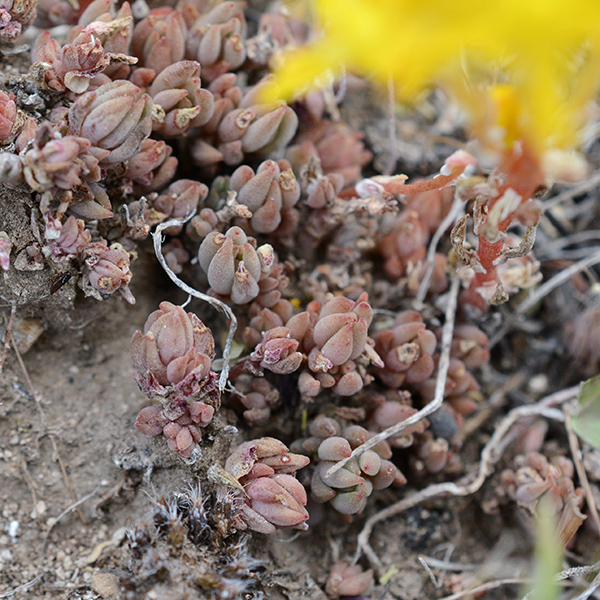
Flowers have 5 yellow petals surrounding 10 anthers and 5 separate carpels which will turn into dry follicles which will split releasing many seeds.
Two 18” yellow “composites” are blooming right now in the valley.
A quick reminder, members of the Aster/Sunflower Family are informally called “composites”. They have “heads” that look like a single flower but in fact are a cluster of flowers packed onto a platform and surrounded by protective bracts. Individual flowers can have their 5 petals fused and flattened to one side – “ray” flowers, or the 5 petals can form a tube that surrounds the 5 anthers and the 2-parted stigma – “disk” flowers. Each fertile flower if pollinated forms a single dry fruit with one seed inside – think of an unshelled sunflower seed.
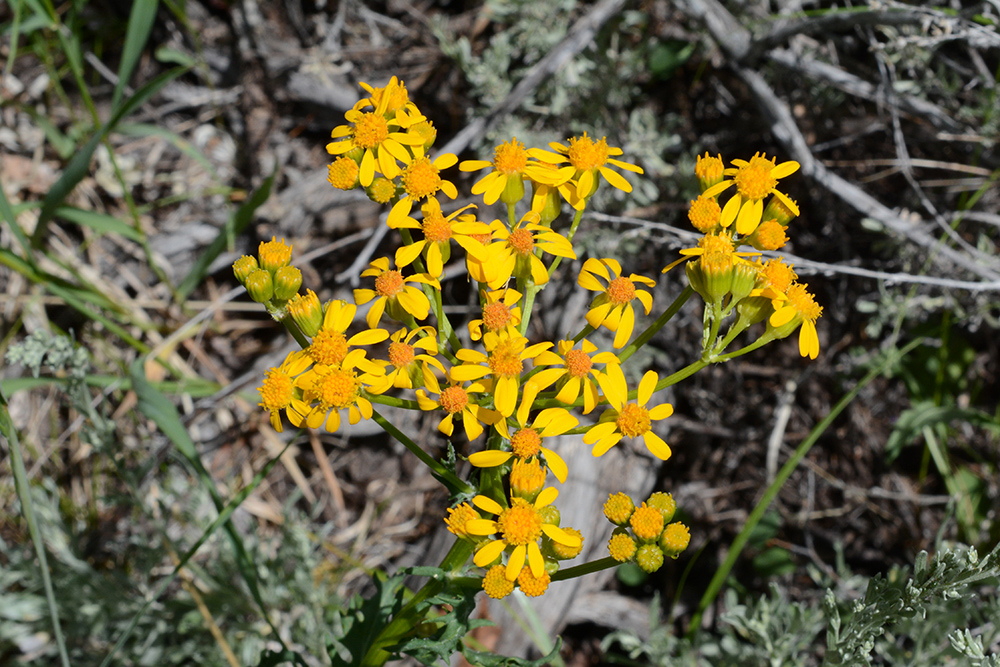
Flower heads of Rocky Mountain Senecio– Packera strepthanthifolius – have a few broad orange “ray” flowers that encircle several small “disk” flowers. The bracts that surround the “head” are all the same length and often black tipped.
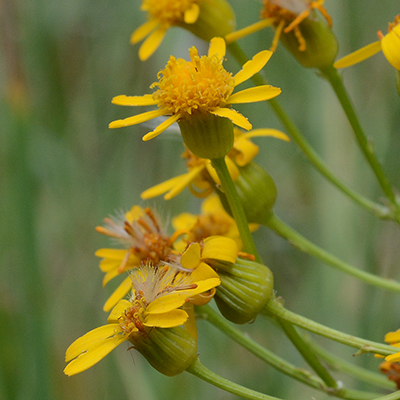
Fruits will have a white fluffy “pappus” for dispersal.
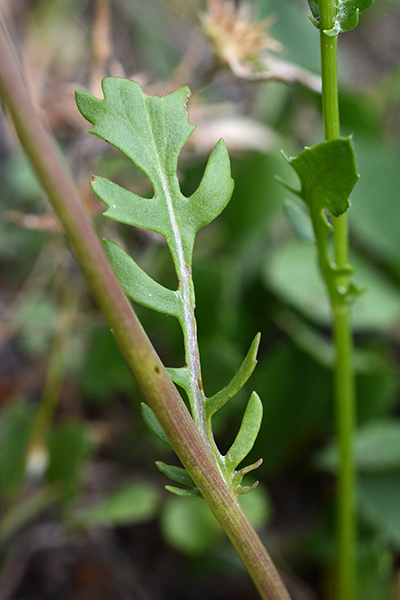
The leaves alternate up the 12-18” stem and are highly variable. This genus can be difficult to key to species.
There are also several 12”-18” Hawksbeards – Crepis sp. –
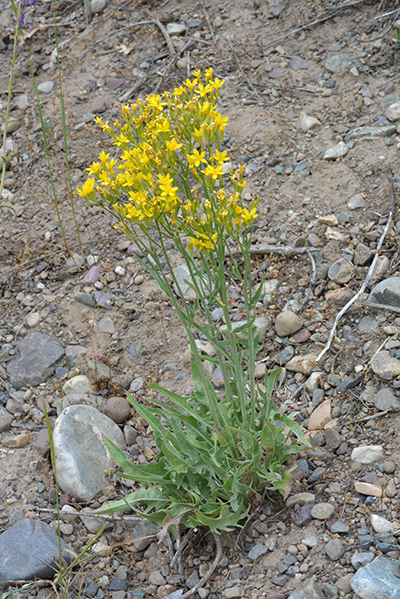
This species keys out to Taper-tipped Hawksbeard – Crepis acuminata – and is pretty common right now.
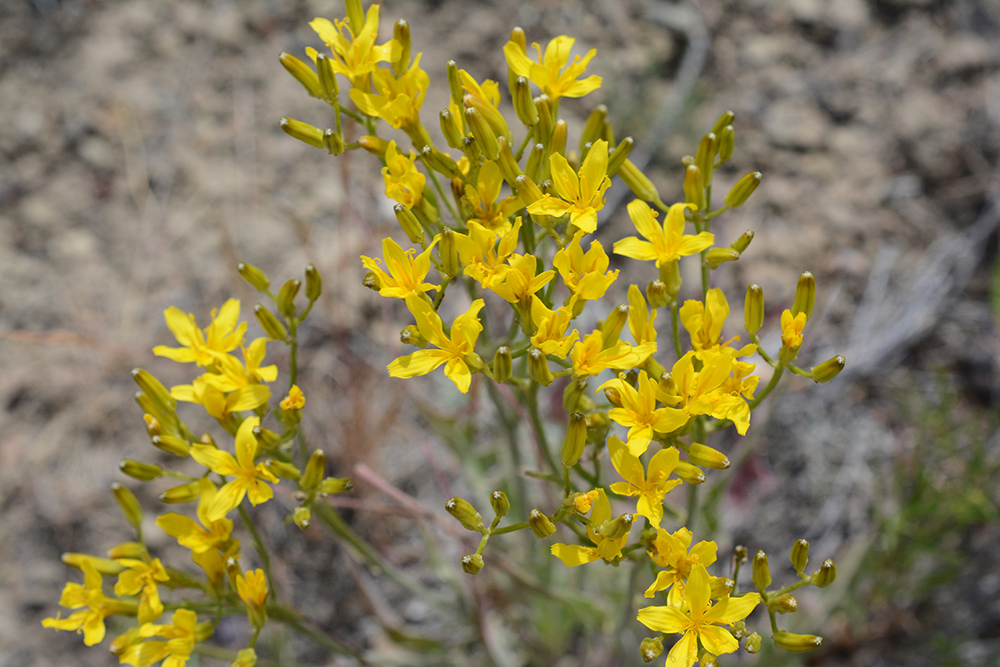
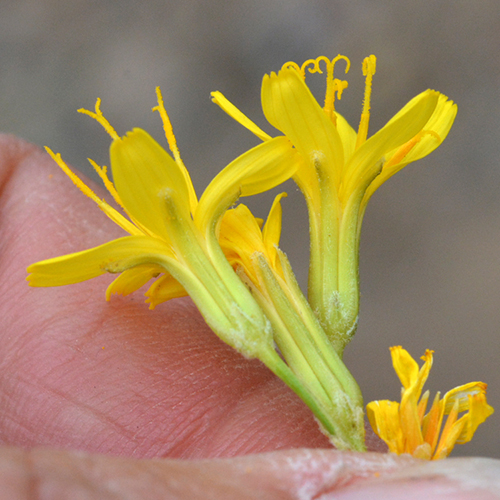
The individual yellow heads have only a few ray flowers (no disk flowers) and the few surrounding long bracts are smooth.
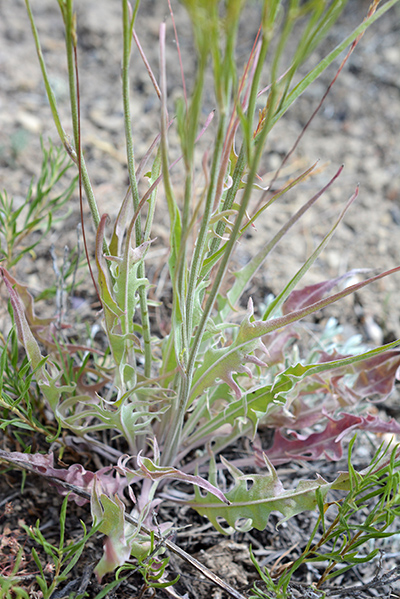
The mostly basal leaves taper at both ends and are sharply lobed and slightly hairy. The fruits will be distributed by wind.
Also related are thistles. Two native thistles are showing-off their prickly beauty:
Elk Thistle – Cirsium scariosum – holds a few heads amidst a cluster of leaves at the top of single sturdy 3-4’ stems.
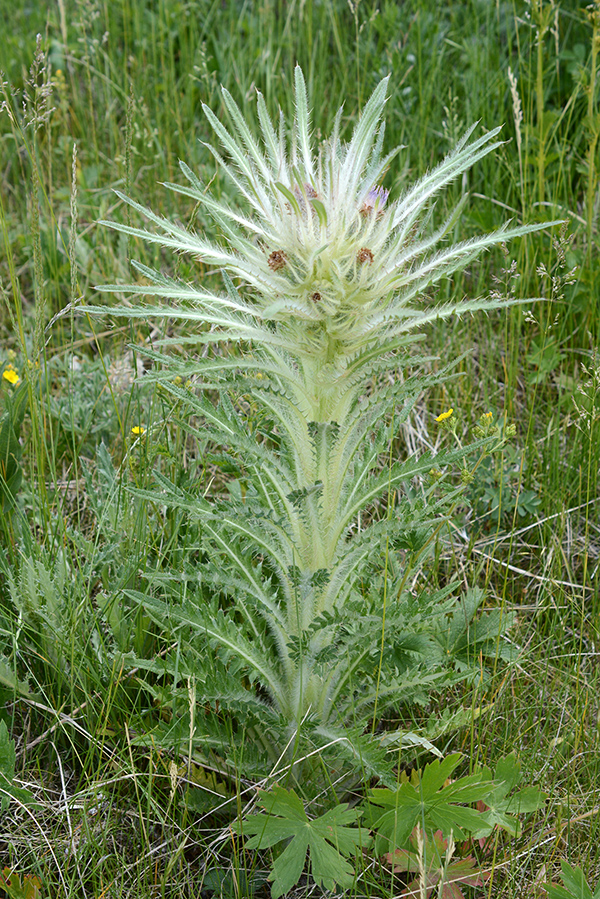
As the many tiny disc flowers bloom over time, pollinators keep returning for rewards.

Western Thistle/Jackson Hole Thistle – Cirsium subnivium – grows in particularly dry sites.
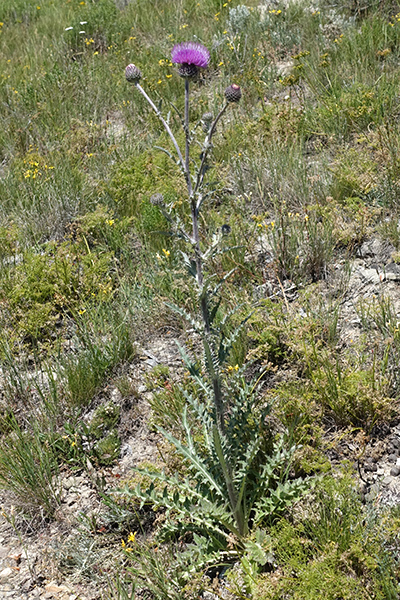
The flower heads extend on petioles above the slender single stalks. Ridges continue down the stem from the leaf base. Lots of spines!
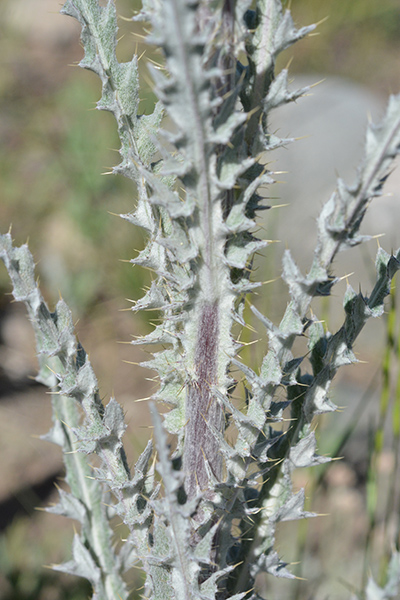
In researching this species, it appears that the taxonomy is complex. Some classify it as Cirsium canovirens. Thistle species can be quite regional in their range.
Both species attract myriad insect pollinators, and the fruits will be relished by seed eating birds such as pine siskins and goldfinches what will pluck out the fruits come fall.
We have non-native, invasive thistles, such as the monster-like Musk thistle – Carduus nutans
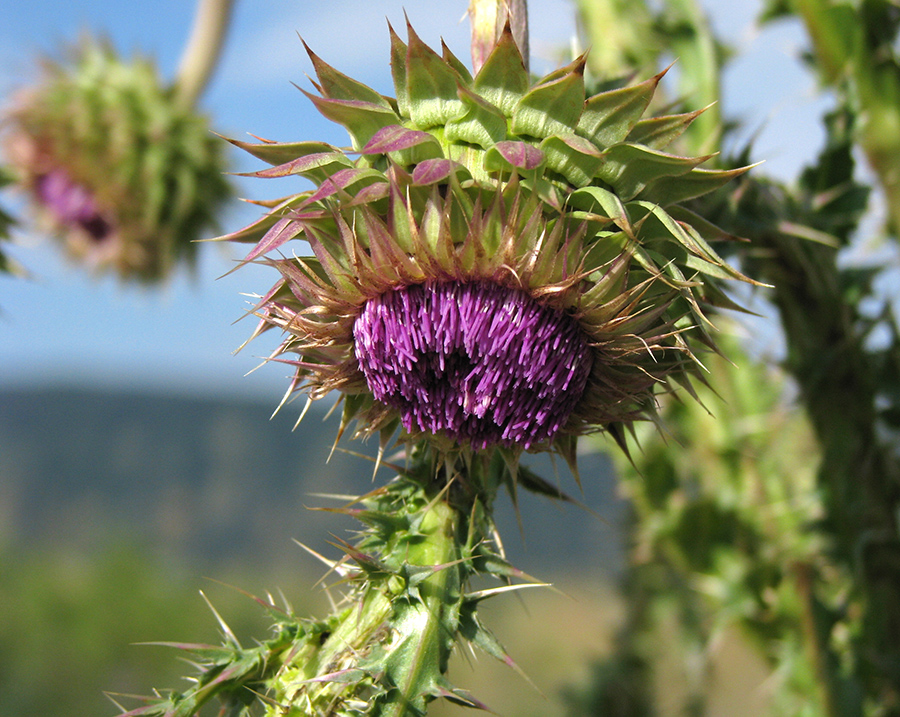
and the pesky Canada Thistle – Cirsium arvense which has been introduced from Europe and Asia. More info on invasive plants is found on Teton County Weed and Pest website and other government resources. Always know your “good” thistles from your “bad” thistles when you decide to help with control of invasives.
Three Paintbrushes

Paintbrushes – Castilleja spp. – are common in some places. All paintbrushes are hemi-parasites – they attach to a host plant – often sagebrush, lupines, or grasses. While paintbrushes can photosynthesize, the host plant provides extra nutrients or even toxins, usually without detriment to itself. One reason that it is difficult to grow paintbrushes in a garden is that they need their host plant to do well.
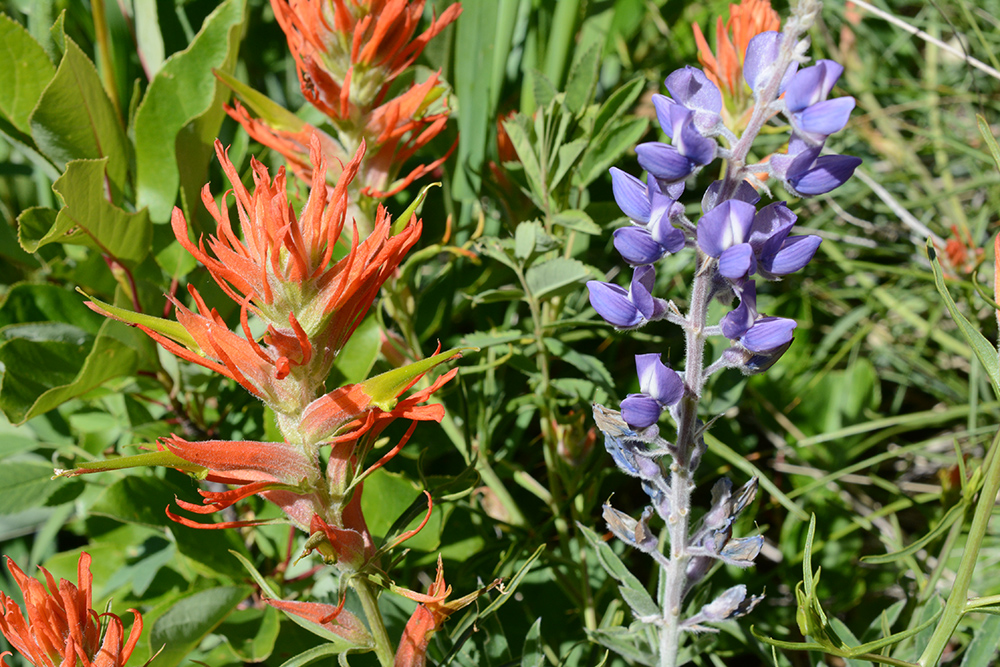
Paintbrushes are complicated plants. Their flowers have an unusual structure called a galea: the petals form a tube that protects the male and female parts. The galea is surrounded by colorful, sepals and bracts. ID is based on the details of these features. Furthermore, the plants hybridize and can double and triple their genes – allopolyploidy – to add to the range of variation. Many, many people are confused with ID!
Here are three species with some ID tips:
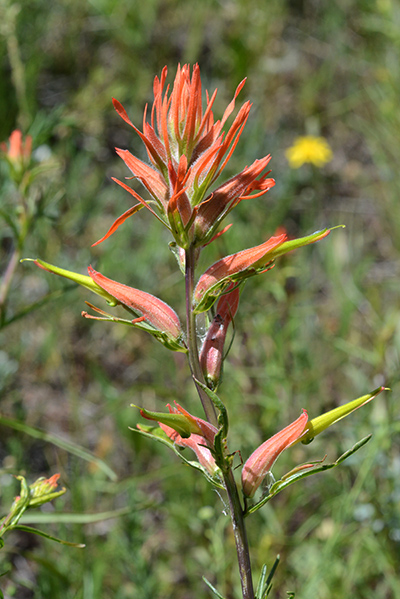
Wyoming Paintbrush – Castilleja liniarifolia – has a very visible long, green galea that leans out beyond the red calyx. The underlying bracts are deeply dissected into linear lobes. It is the Wyoming state flower and so I think of slender fit cowboys leaning out over the necks of their horses while galloping along. Such long-tubed red flowers are typically pollinated by hummingbirds which can hover in place and insert their long tongues down into the tube to lap up nectar, then fly on to the next flower reward, unaware that they are transferring pollen from flower to flower.
Yellow Paintbrush – Castilleja flava – have relatively bright bracts and sepals that are slightly hairy and almost hide the galea. The galea is mostly green.
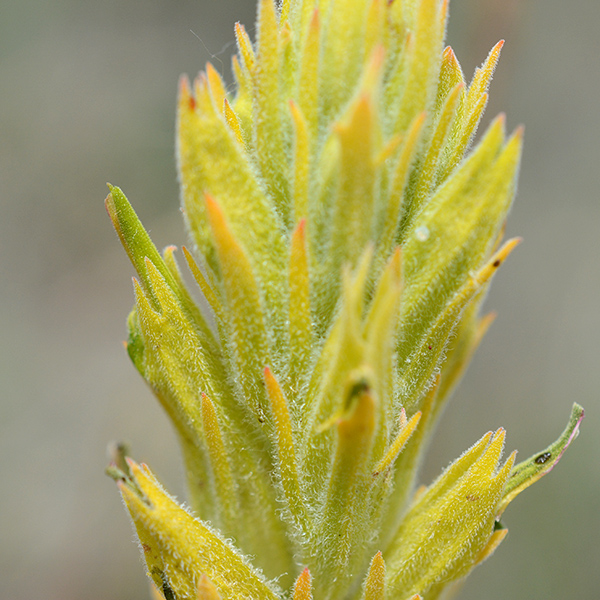
Notably, but not so easy to see, the galea is relatively long compared to the protruding “lip”. The sepal lobes are acute and split deeper to the front and back than to the sides. Lobed yellow bracts can cover the whole flower adding to the difficulty of discerning parts.
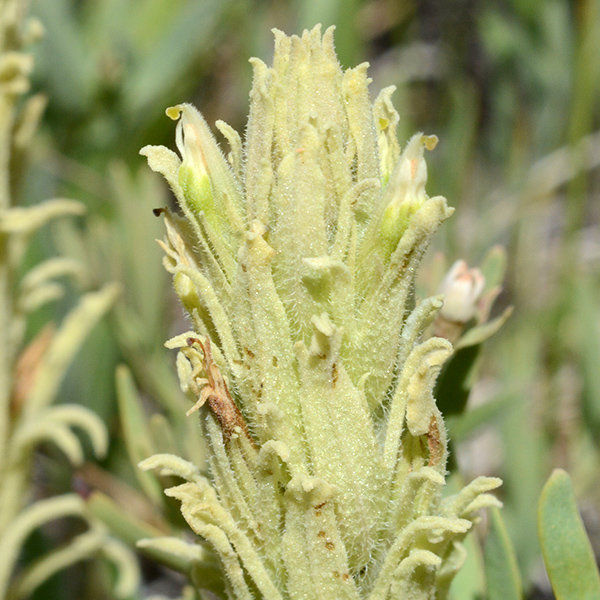
Parrot-head Paintbrush – Castilleja pilosa var. longispica – is a paler yellow. The puffy lip is almost as long as the galea and surrounded by a 4-pointed calyx and then subtended by a lobed bract.
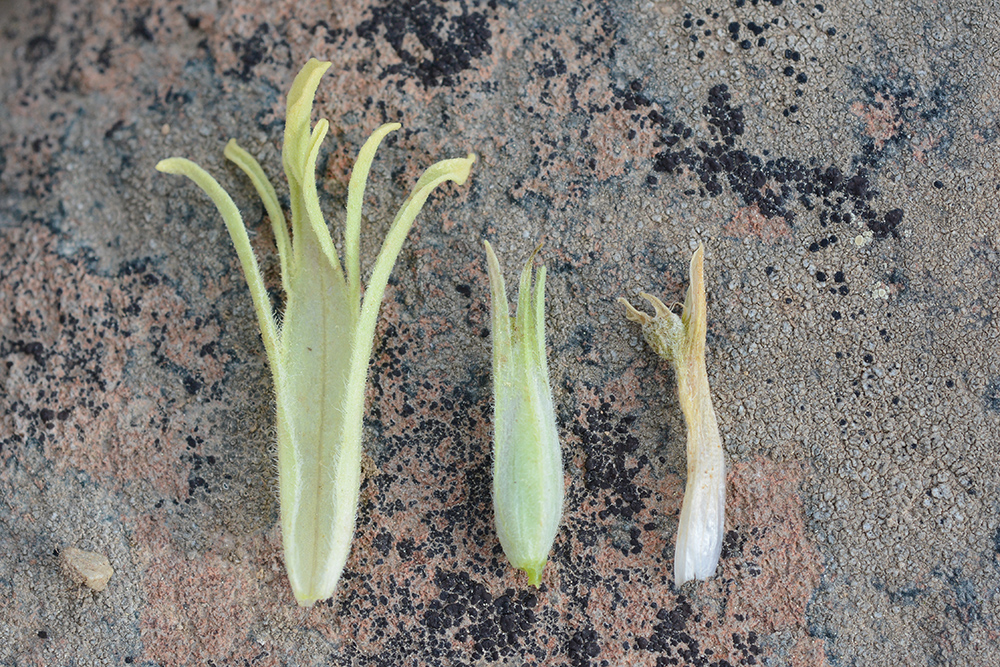
Three plants that are particularly fun to see (and easy to identify!):
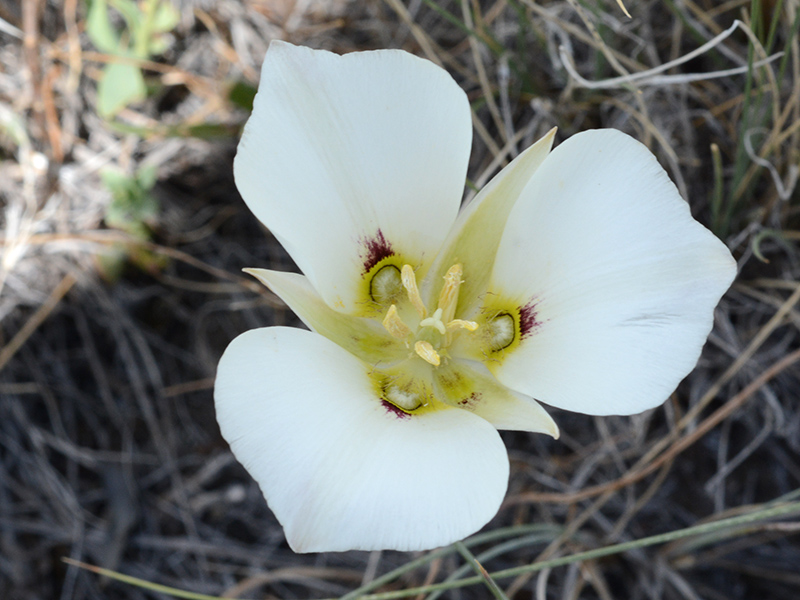
Sego Lily – Calochortus nuttallii – are brilliant white on dry hillsides. Always a treat to see! The plants grow from a bulb and will produce a 3-parted capsule of a fruit with several seeds inside.

Evening Primroses – Oenothera cespitosa – bloom on clay slopes. Wonderfully fragrant flowers bloom at night attracting hawkmoth pollinators and then fade to pink–done–by the following mid-day.
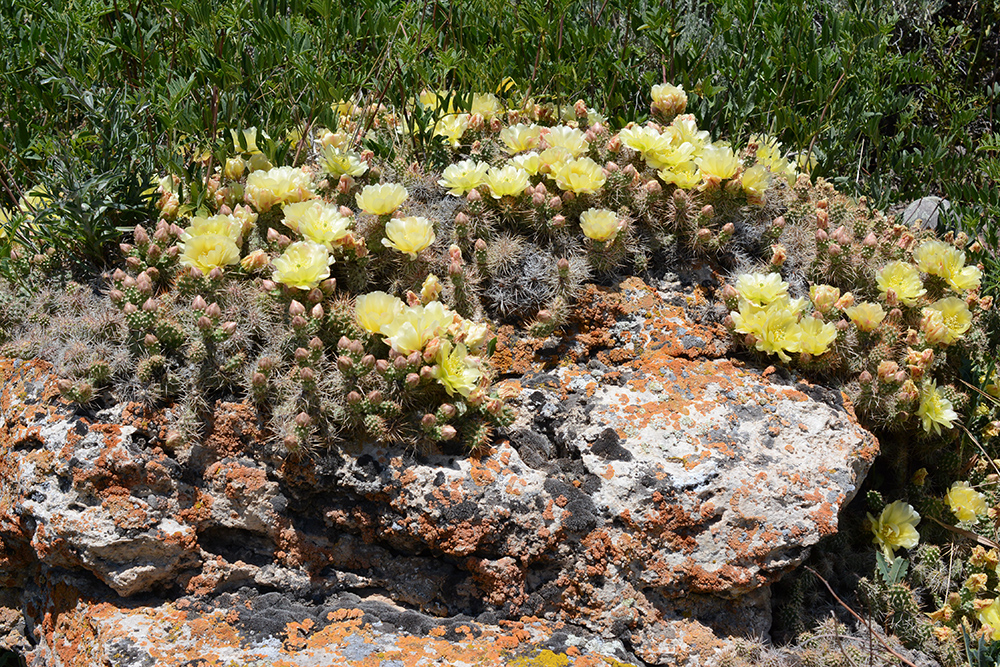
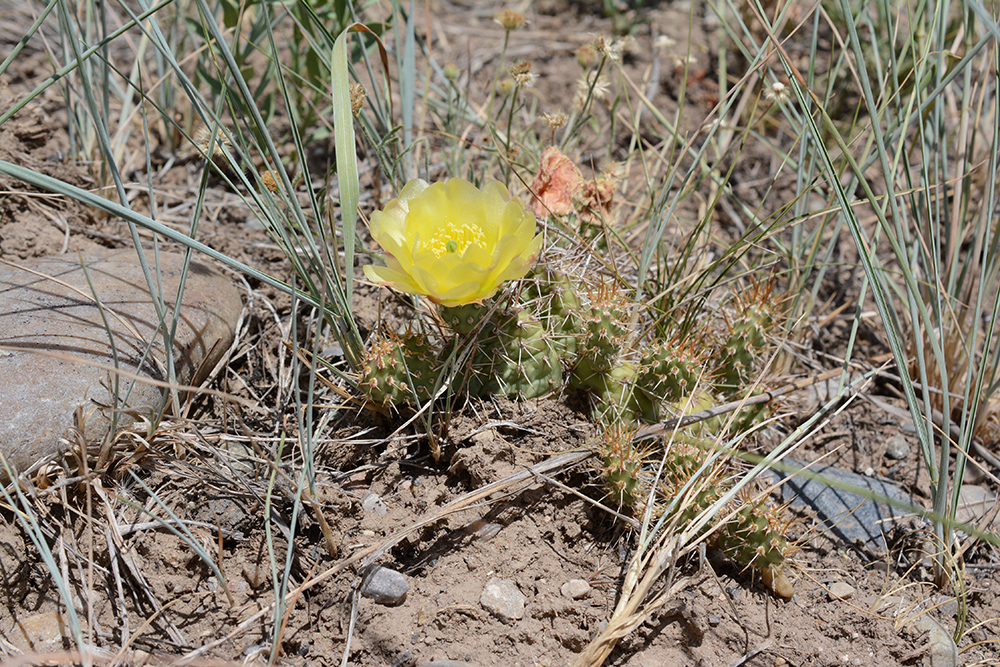
Prickly Pear – Opuntia fragilis – Yes, we have cactus here in Jackson Hole and one of our two species is blooming right now around Kelly Warm Springs and other dry sites. The succulent roundish stem-segments with spines are easily detached by hikers and furry beasts. Best not to try to touch them as they may attach to you—ouch! Also be careful where you sit.
And a particularly tall story:
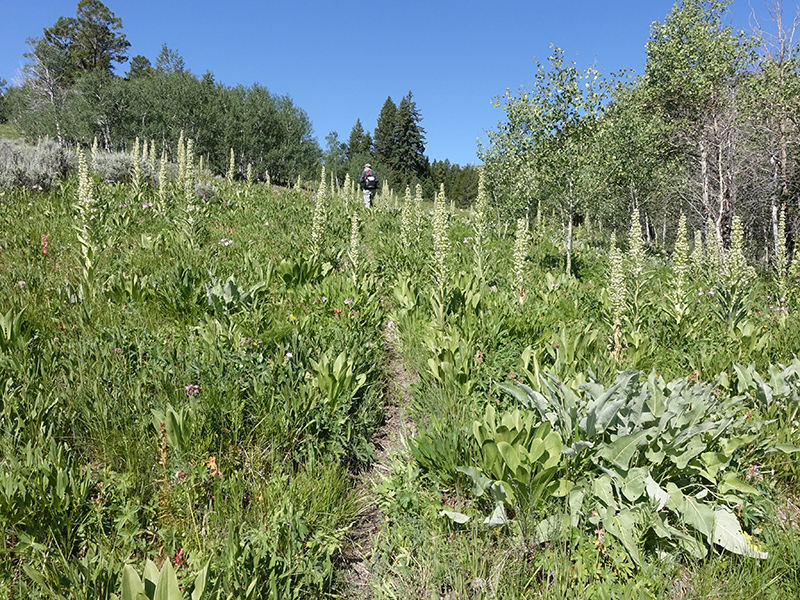
Monument Plants or Green Gentians – Frasera speciosa – are having a good year. Each year the leaves of these herbaceous perennial plants will sprout fresh out of the ground.
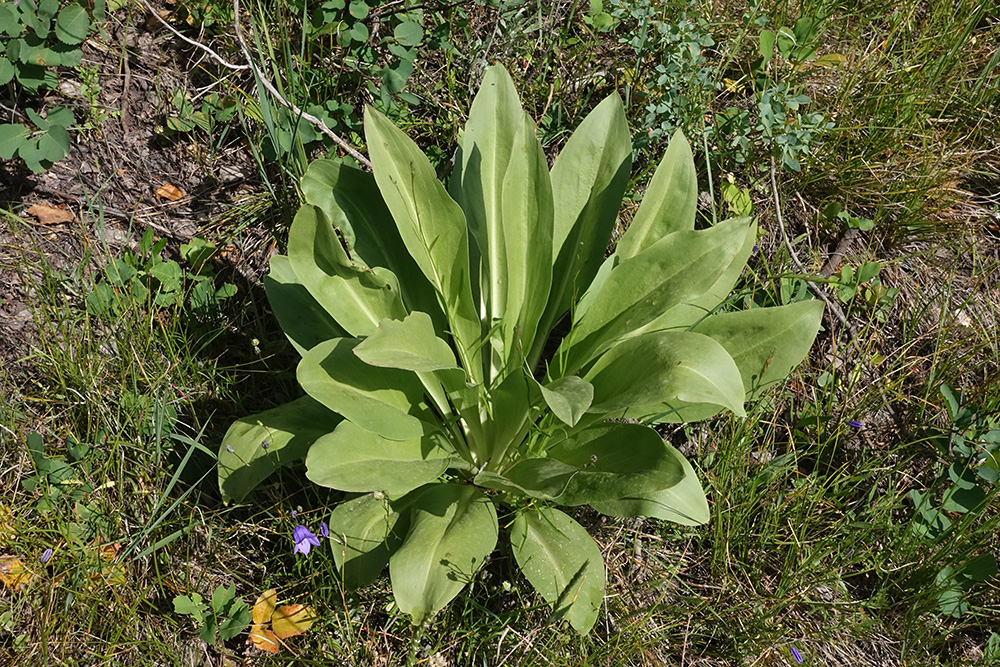
At first it may be one leaf, then over the years 2-3, 6-8, and eventually over 20 or more leaves in a whorl. Only after the plant has many leaves is it ready to produce flowers: it is able to store sufficient underground food reserves. Then certain weather conditions can trigger stem cells to start to form buds. Many mature plants in an area receive the same signal. Three to four years later the plants shoot up to 4-5 feet, covered in flowers.
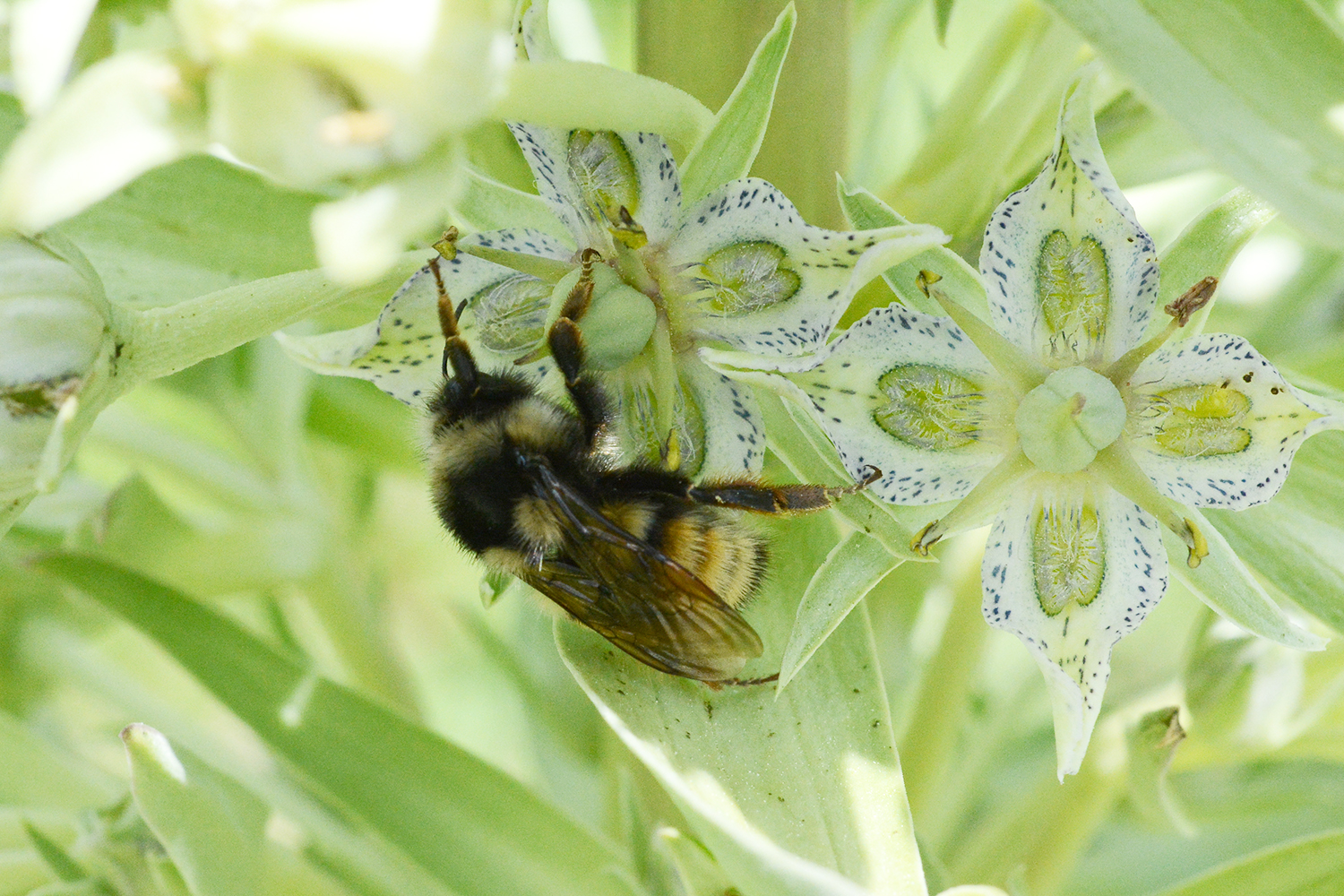
Masses of pollinators—mostly bees, but also flies, come for pollen and nectar and hundreds of seeds can form at once. The parent plants die after this ultimate effort of reproduction.
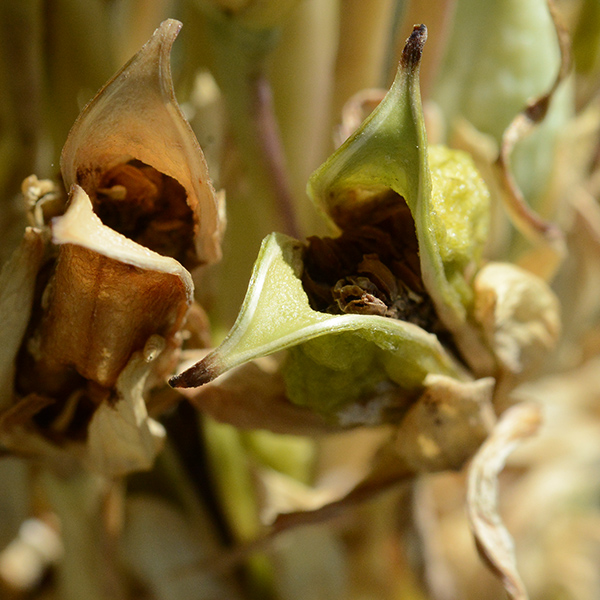
So many seeds are produced by so many plants that predators cannot eat them all. Some seeds survive and in fact do best in the shadows and debris of the dead parental cohort. The life cycle starts all over again. Researchers indicate that it can take decades for these plants to be ready to flower: plants live for an average of 40 years.
These are just some of the flowers in bloom in the open sunny areas. Very soon we will post the flowers of the forests. And always more blooms to come at this time of year.
Jackson Hole, WY, July 9. 2023
We welcome your comments, and your corrections! Please let us know of our errors at tetonplants@gmail.com
 Teton Plants
<
div dir=”ltr”>
<
blockquote type=”cite”>
Im interested in learning about all 7 of sagebrush types in Wy. I’d like to do a survey in the Dubois Badlands of types of Sagebrush
Abigail Freeman-Karin 🌺