Find Wildflowers Galore Throughout Jackson Hole – Early July

Temperatures soared last past week (low 90s in the Jackson) and the snowpack was melting fast.  While there are still colorful spots in the sage flats and along the low-elevation wetlands and streamsides, the flower show is rapidly moving up the mountains.  Fortunately, last weekend’s rain storms and cooler temperatures will help the flowers persist.   Even so, don’t wait to get out to see what’s in bloom!

Below are some places I have hiked/botanized this past week .  The next post will include photos of common plants you can discover.  Also check out past posts for some plant ID.  The sage flowers are still blooming!

Where to find flowers: 

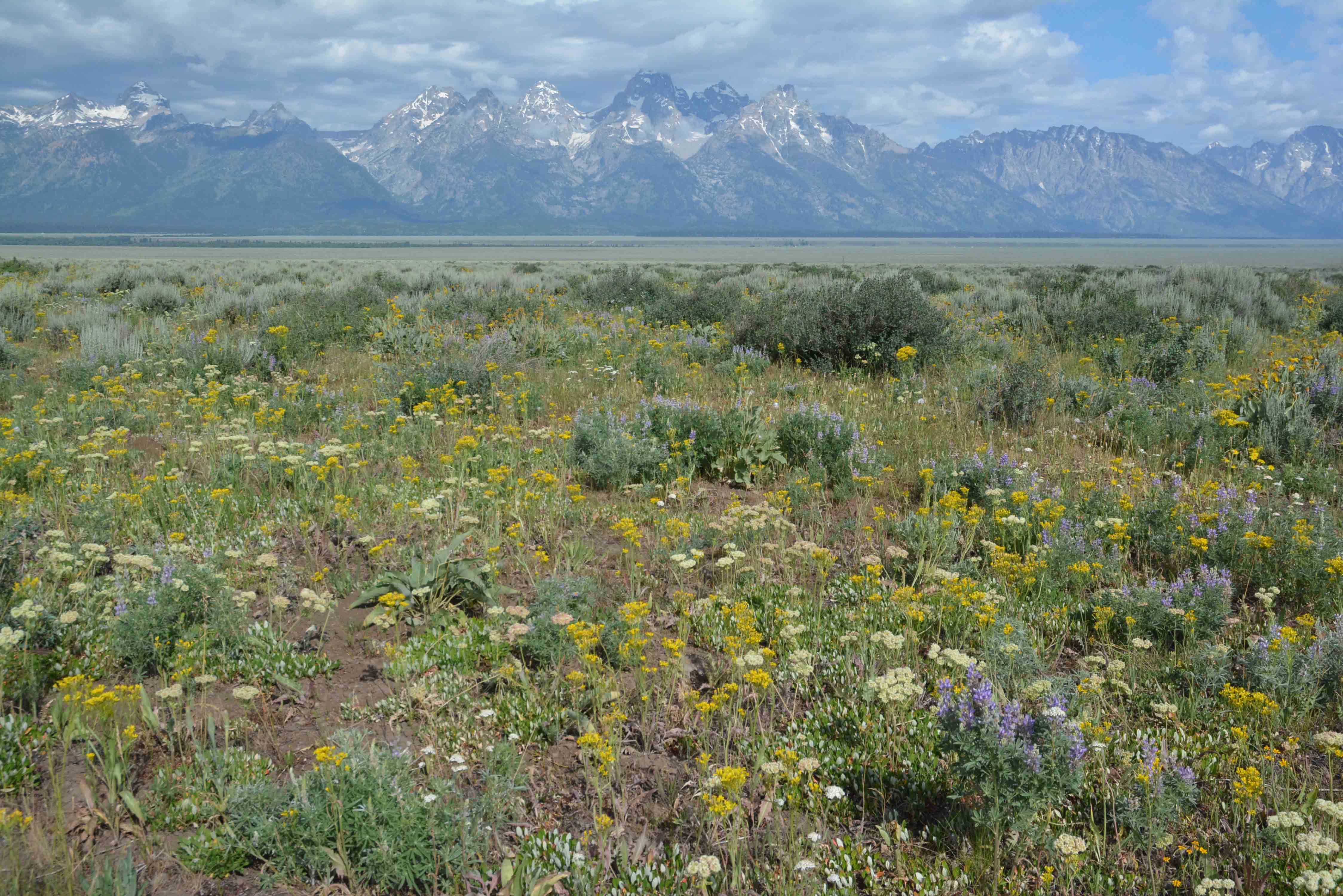
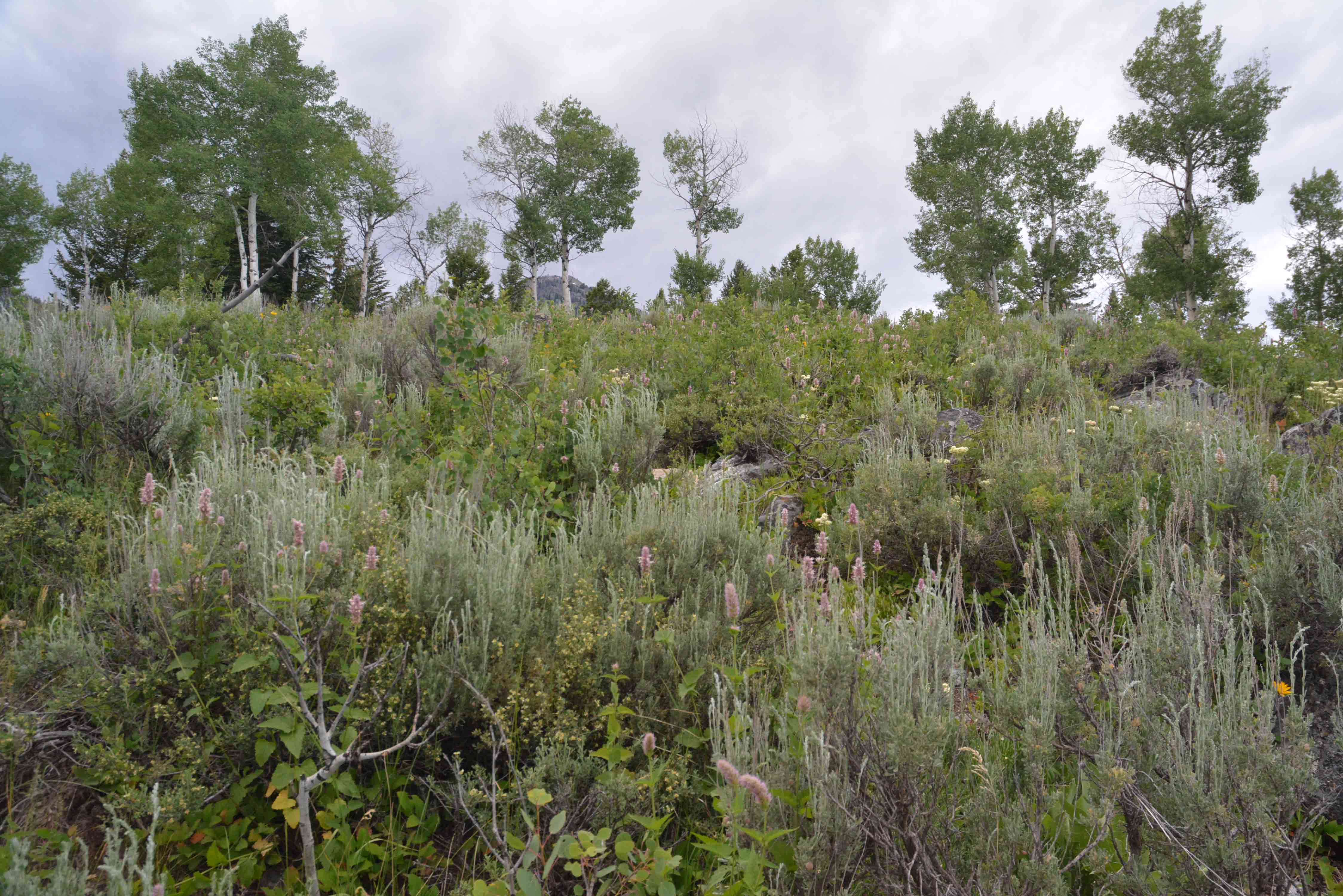
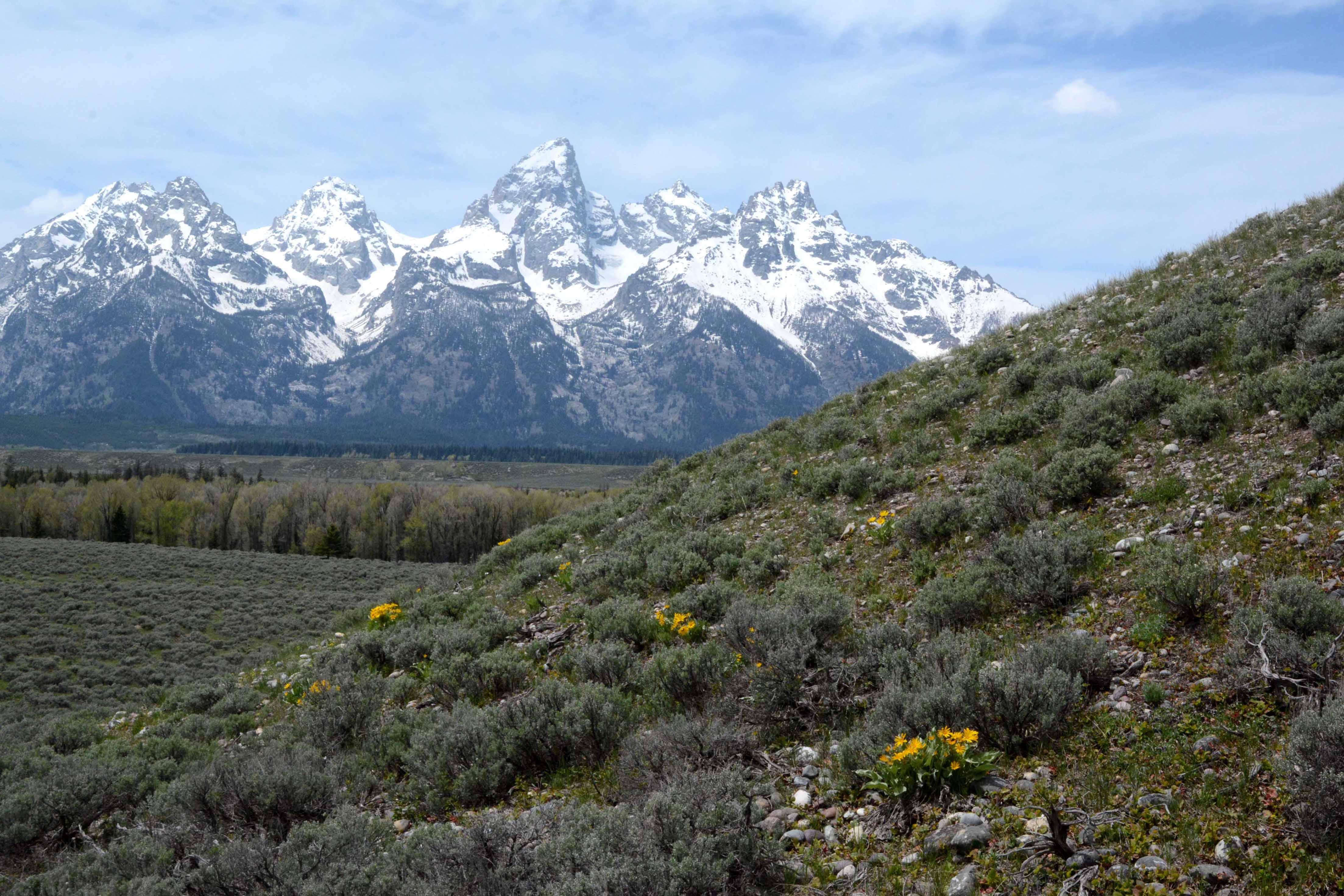
The view from Antelope Flats west to the Tetons is filled with wild flowers.

The view from Antelope Flats west to the Tetons is filled with wild flowers.

Antelope Flats: Drive the loop around the sage flats to the northeast corner and up the road to the Teton Science School to see Lupines, Hawksbeard, Sulphur flowers, One-flowered Sunflowers, and Sticky Geranium.   Prickly Pear Cactus (Opuntia fragilis) is blooming yellow on the rock outcrop by the Kelly Warm Springs pullout.

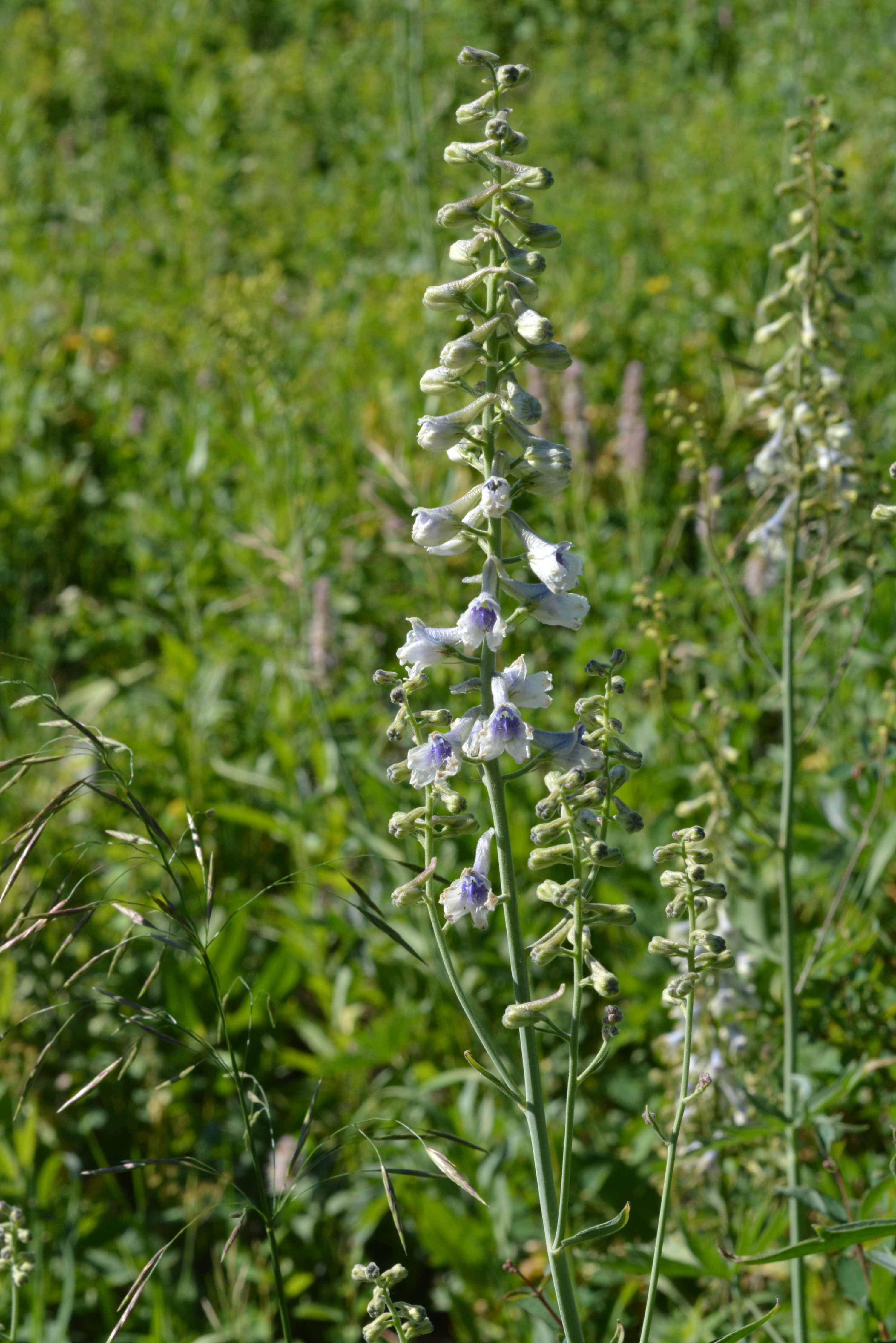
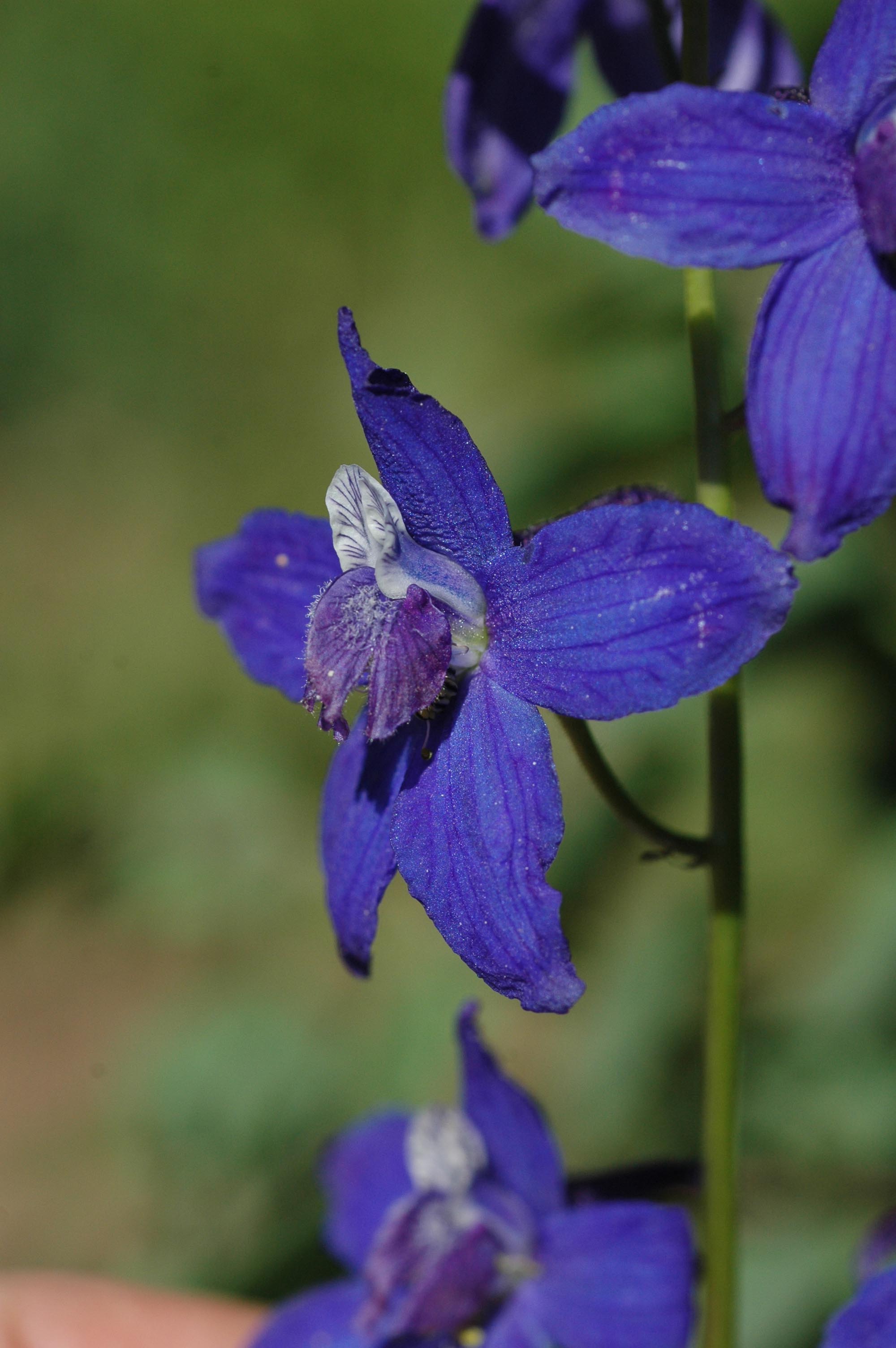
Delphinium occidentale

Tall Larkspur, also called Duncecap Larkspur, is indeed 7′ tall where it grows in moist meadows.

Moose-Wilson Road:  Marsh, moist-meadow, and roadside  habitats feature 5’-tall Duncecap Larkspur (Delphinium occidentale) and profuse pink Wood’s Rose (Rosa woodsii).  Monkshood grows to a similar height as the Larkspur but has deep blue flowers with hoods.  Cow parsnip spreads its broad plate-size clusters of flowers attracting many different of pollinators. Richardson’s Geranium has white instead of pink flowers and has rose-tipped glands.  Watch out for the nettles along the wayside.   

Curtis Canyon Road east of the National Elk Refuge:  

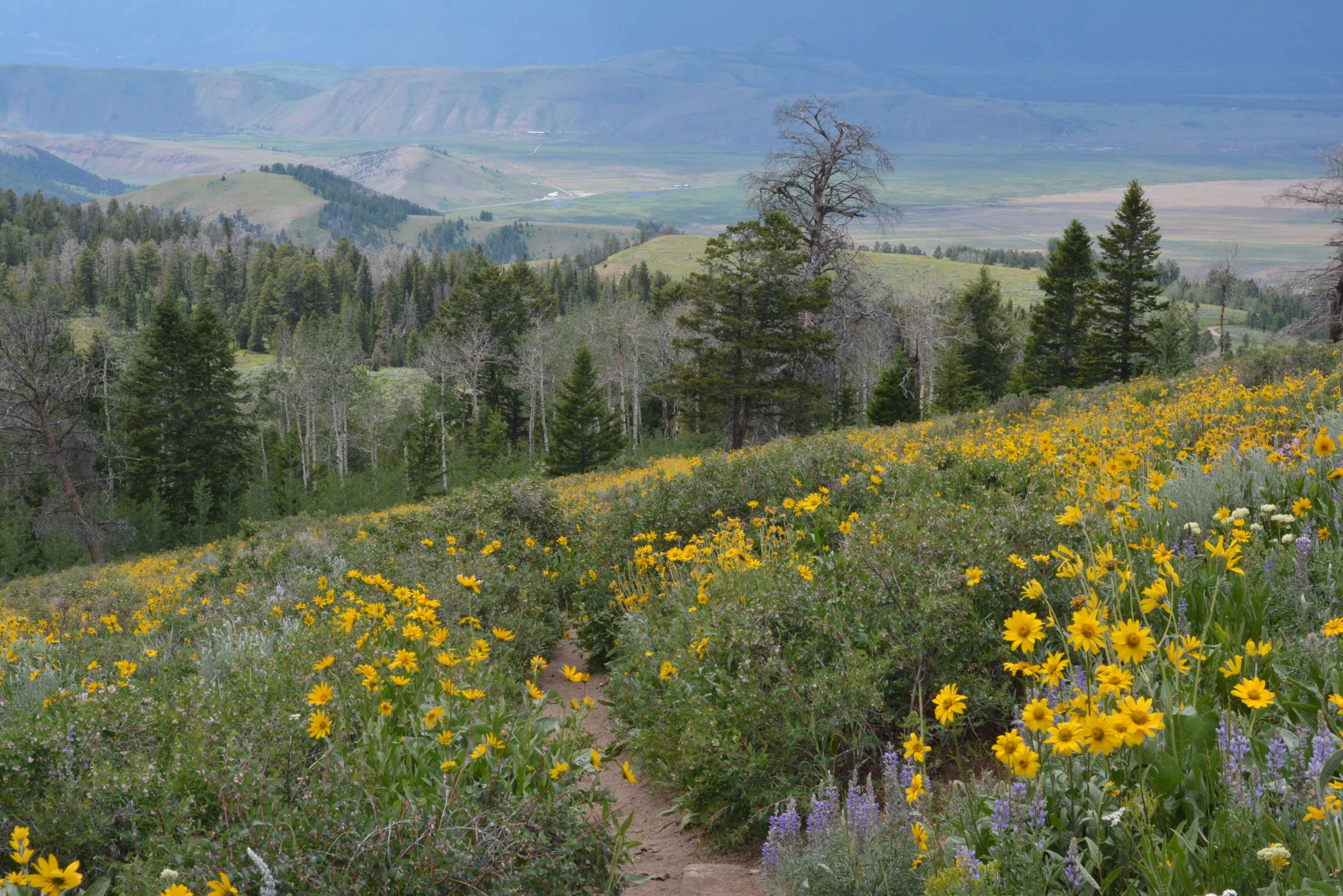
Goodwin Lake Trail has masses of flowers: One-flowered Sunflowers, Sticky Geraniums,  Paintbrushes and Cinquefoils.

Goodwin Lake Trail has masses of flowers: One-flowered Sunflowers, Lupines, Sticky Geraniums, Paintbrushes and Cinquefoils.

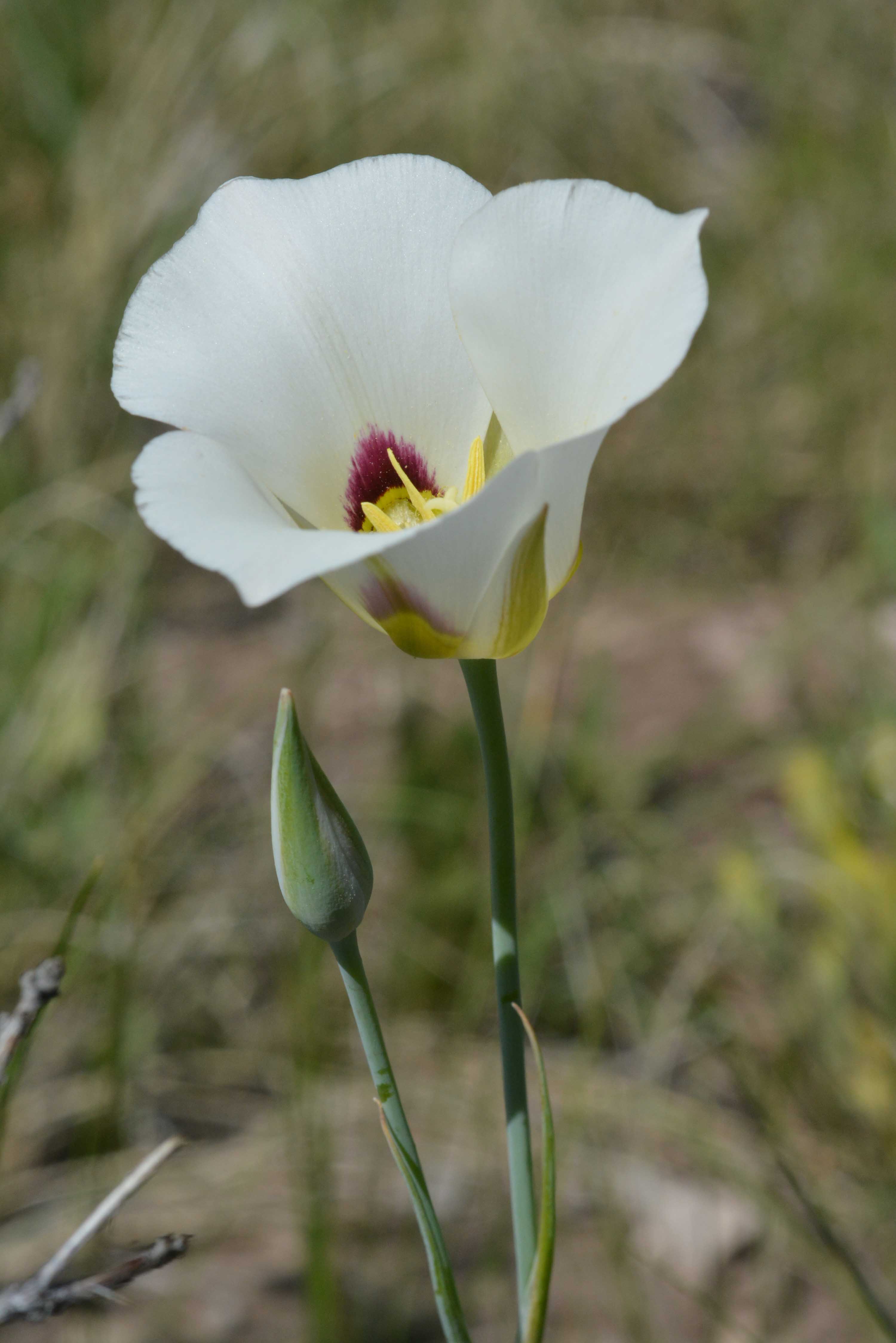
Calochortus nuttallii

Nuttall’s Mariposa Lily is occaisionally found on dry slopes overlooking the Valley.

Elegant but rare Mariposa Lilies (Calochortus nuttallii) and an unusual cream colored Wild Buckwheat (Eriogonum brevicaudata) grow on the dry knoll of the overlook.  Further up the road towards the Goodwin Lake trailhead meadows are full flowers:  wild gardens galore! Paintbrushes, Scarlet Gilia, Sticky Geranium, One-flowered Sunflower, Larkspurs….


Cascade Canyon Trail:

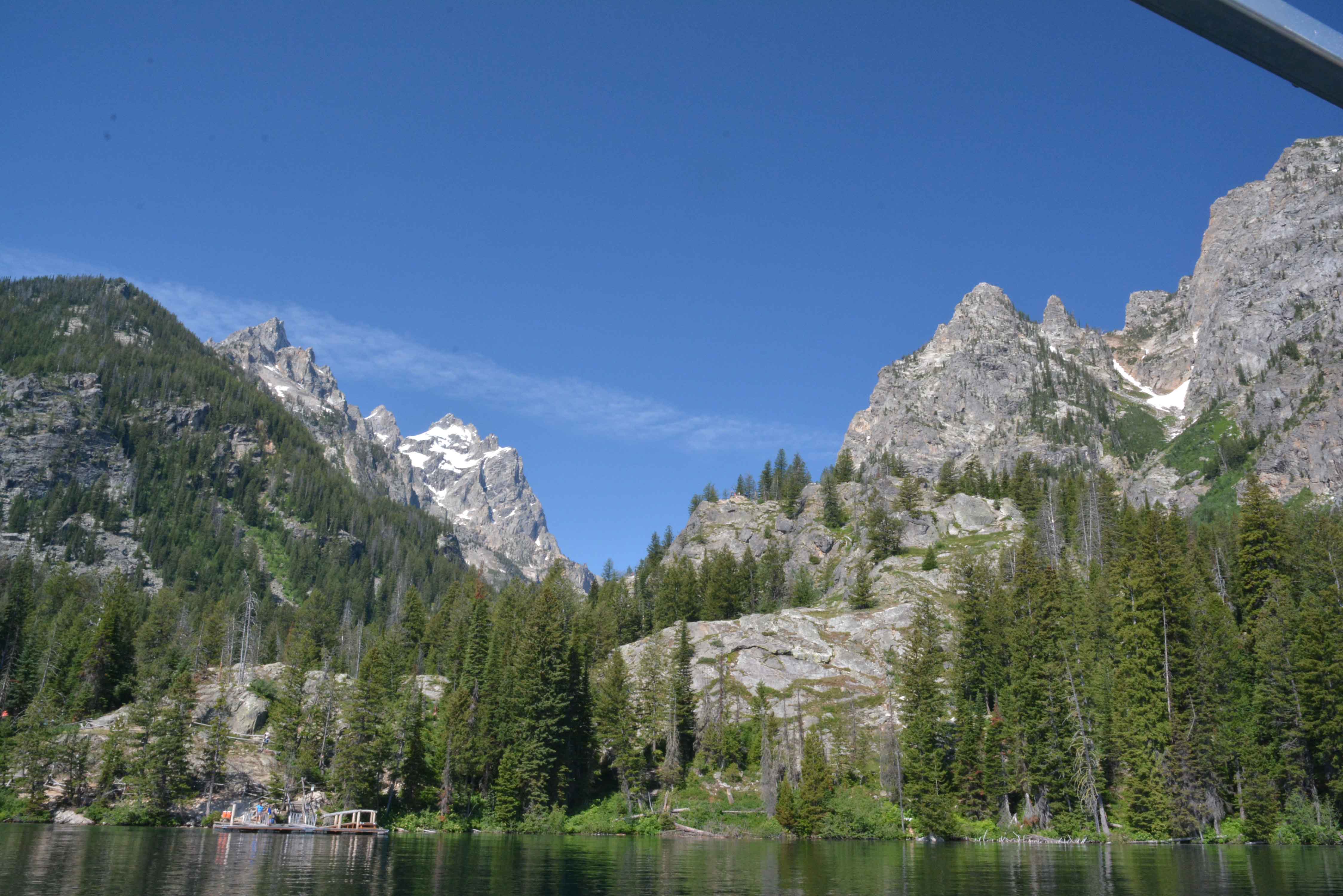
Take the boat to Cascade Canyon and expore the forest, slopes, and talus for flowers.

Take the boat to Cascade Canyon and expore the forest, slopes, and talus for flowers.

 Flowers here prefer the shade of the mixed conifer forest, as well as, open sites of talus (listen for pika) and avalanche chutes.  White Columbine (Aquilegia coerulea) is surprisingly common.  Other woodland plants include Western Thimbleberry, Meadowrue, and the talus slopes feature Red Raspberry, ferns, cinquefoils.  Willows are dispersing their seeds upon the wind, and berries of mountain ash, cherry, elderberry, and blueberry are slowly forming.  

Teton Pass and Ski Lake trails south of the park provide access to higher elevations with meadows and mixed-coniferous forest species. 

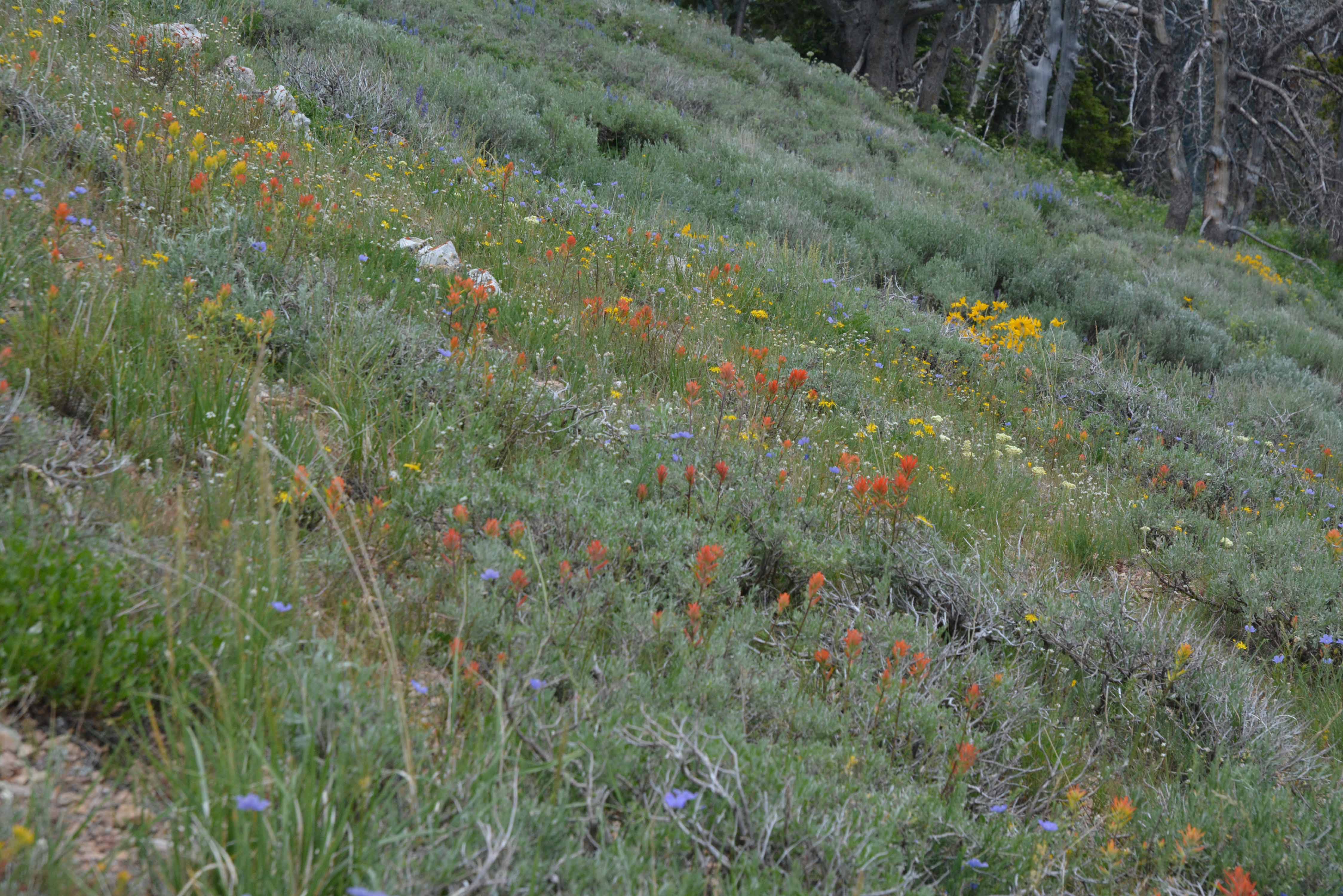
Just south of the high point of the Teton Pass Trail is a mosaic of bloom.

Just south of the high point of the Teton Pass Trail is a mosaic of bloom.

I found dozens of different flowers along the 1.5 mile trail ranging from very early blooming Nuttall’s Delphinium and Spring Beauty to sedums, groundsels, three species of paintbrushes, sandworts, cinquefoils, flax, penstemons, phacelia, fleabanes….

Rendezvous Mountain: 

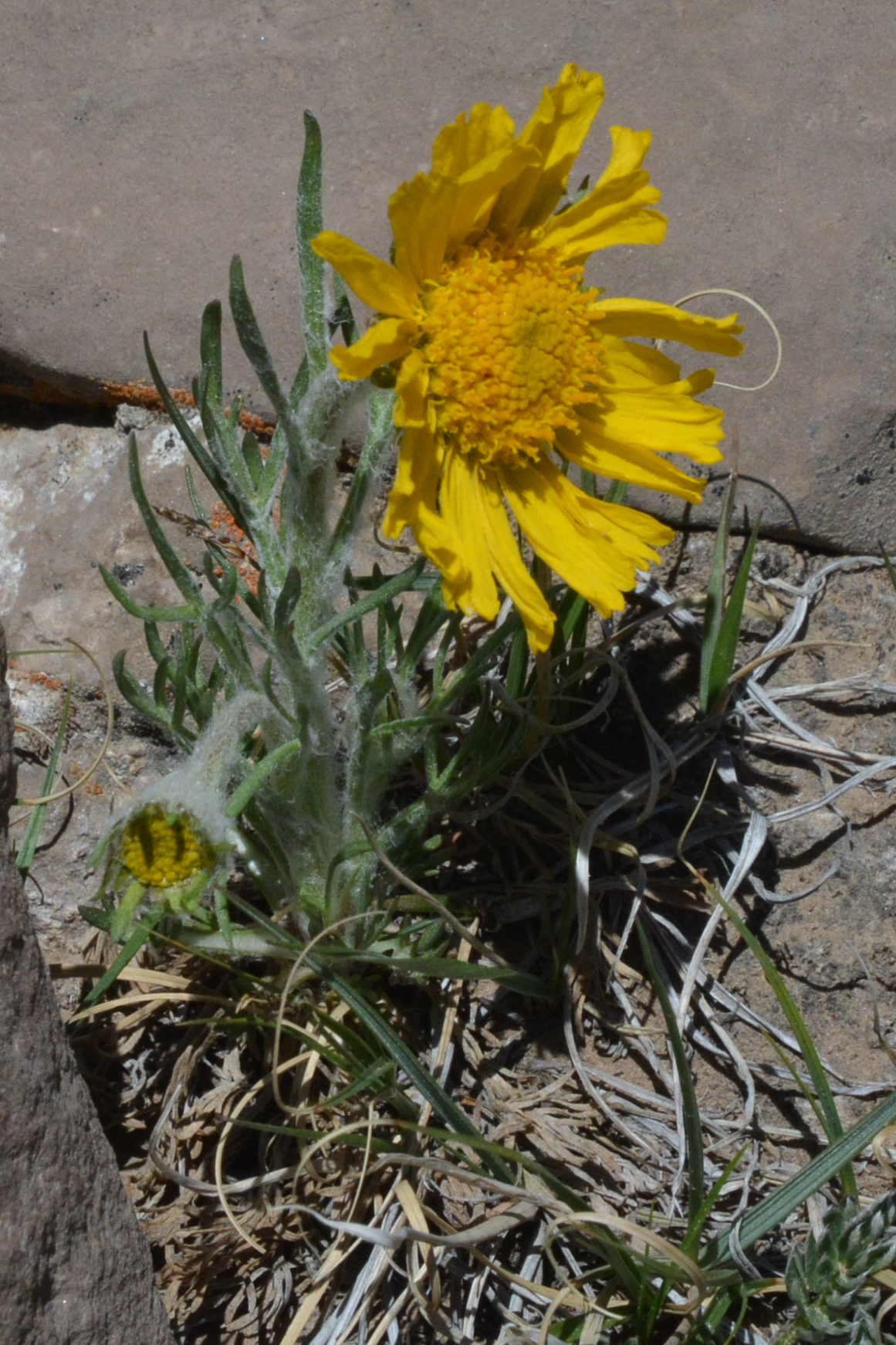
Hymenoxys grandiflora.

Rydberg’s Sunflower grows to about 6″ on the harsh scree slopes atop Rendezvous mountain.

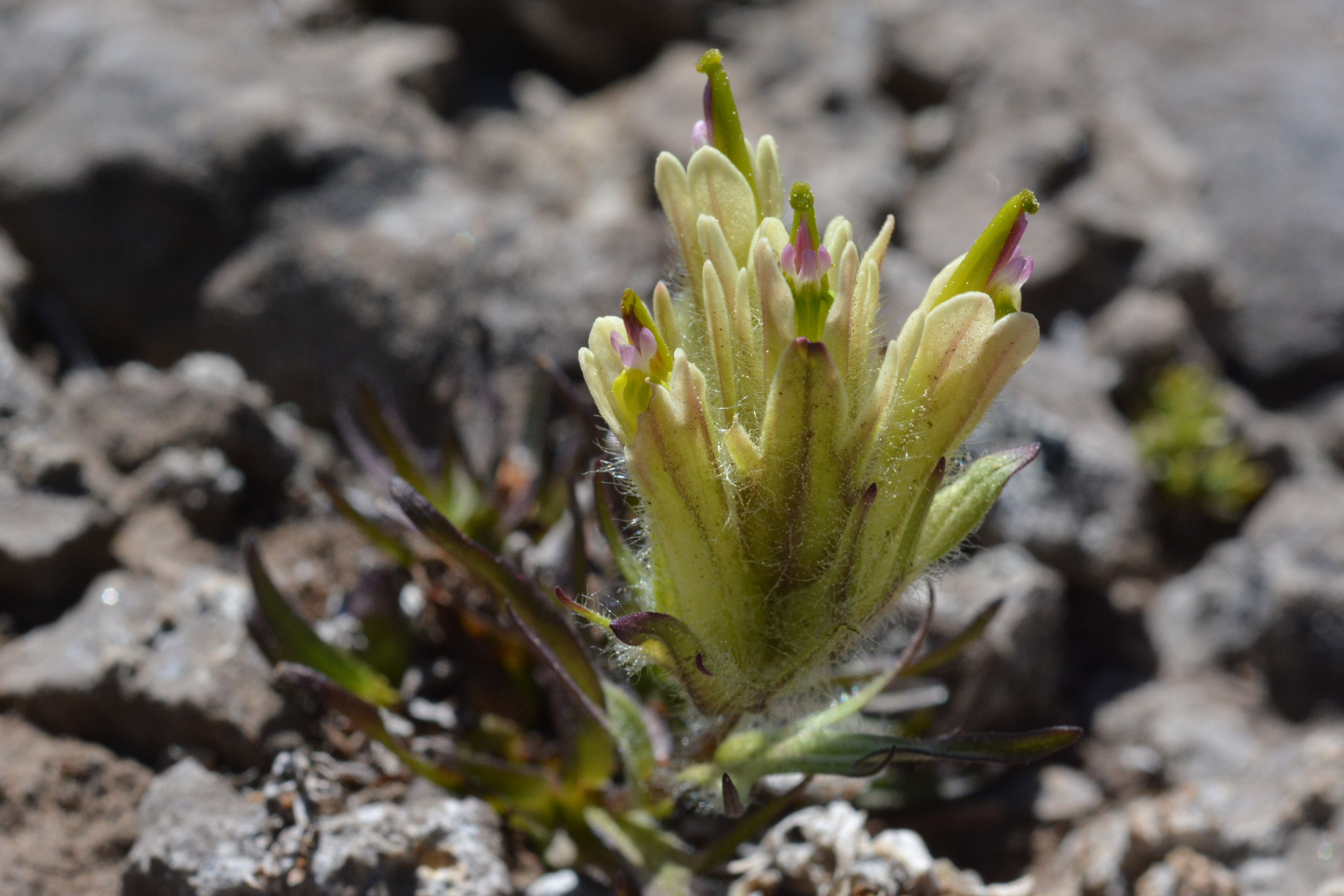
Take the tram up to 10,500 feet to access subalpine and alpine flowers, such as the ever-durable Rydberg Sunflower (Hymenoxys grandiflora) and the diminutive Beautiful Paintbrush (Castilleja pulchella), to name just two alpine specialties.  Various members of the mustard family such as Smelowskia calycina and Lesquerella paysonii sprawled on the scree.   Alpine Townsendia, Teton Anemone, and Telesonix were also in bloom.    

Catilleja pulcerima

Beautiful Paintbrush grows only a few inches high in the rugged alpine habitat.

More to come!  Let us know what your are finding and where by responding to this blog or emailing us at tetonplants@gmail.com

Frances Clark, Wilson, WY

Wild Plants of Teton Slopes – Late June


The montane slopes of the Tetons are filling with flowers of all colors, shapes and sizes. Its time to take a hike and revel in their intrique. While this post features flowers along portions of Granite Canyon and Ski Lake Trails, they are common throughout the Tetons.

Granite Canyon Trail

Granite Canyon Trail

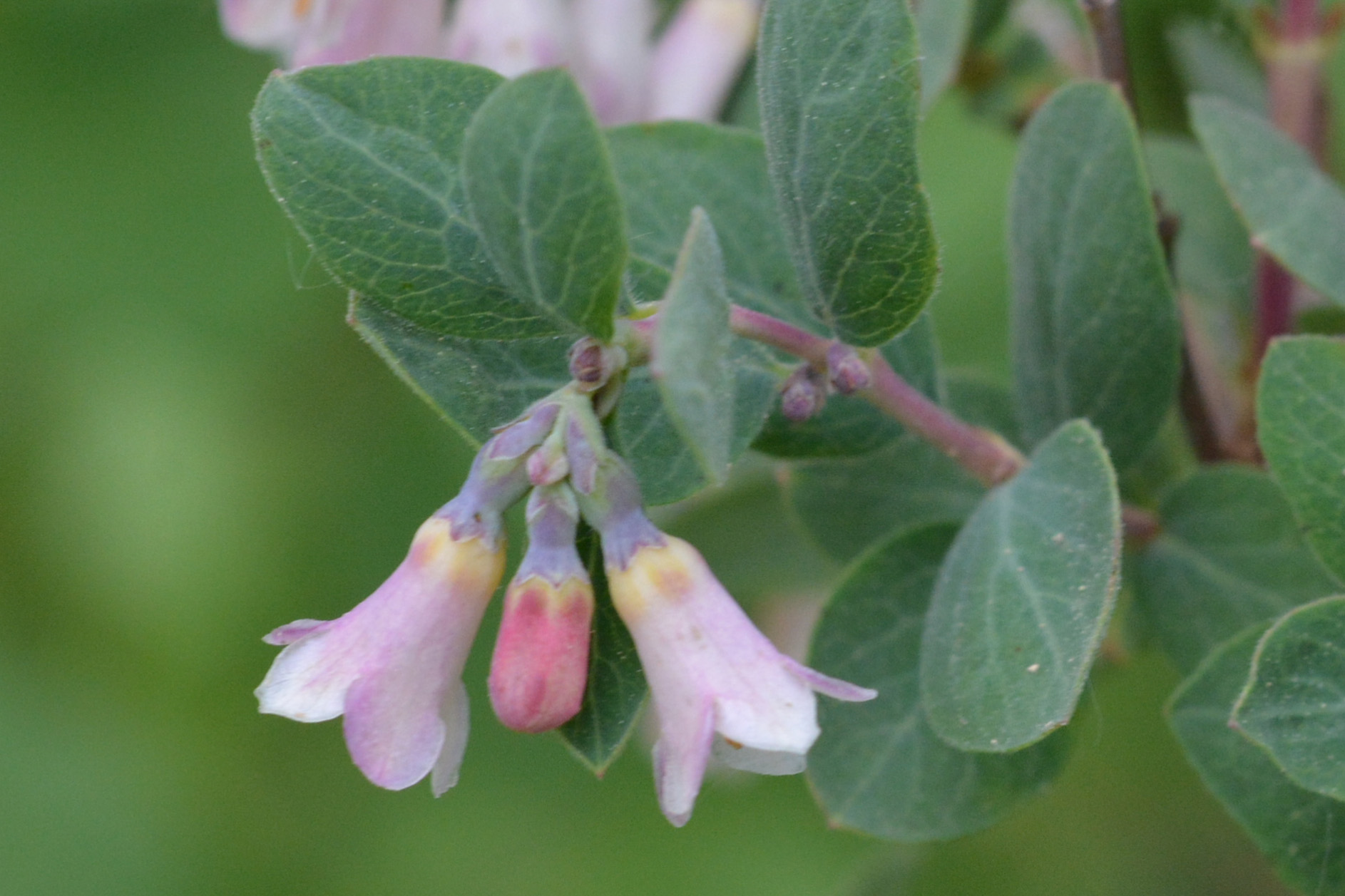
Mixed in with aspens and sagebrush along the first stretch of Granite Canyon Trail, one can find Western Snowberry (Symphoriocarpus oreophilus) just coming into bloom as the Antelopebush and Serviceberry fade.

Symphoriocarpus oreophilus

Mountain Snowberry

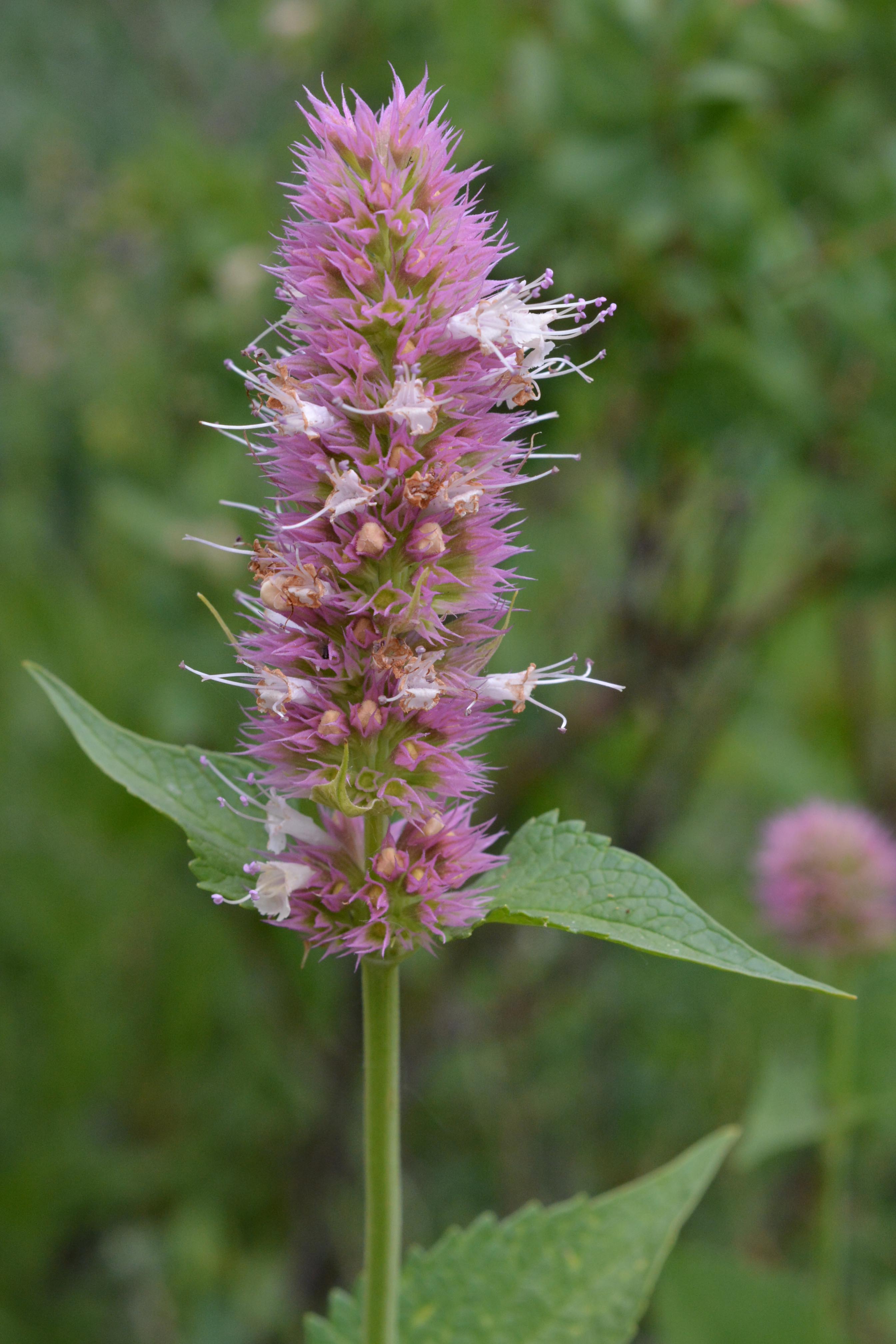
Fuzzy looking Giant Hyssop or Mountain Mint stick out their anthers beyond the gapingB_AgasUtri_Fl_GrCanTr_62513_1 flowers, easy for pollinators to brush against and glean pollen as they stick their mouth parts deep into the flower to suck nectar. As we push by, we may get a whiff of minty like aroma.

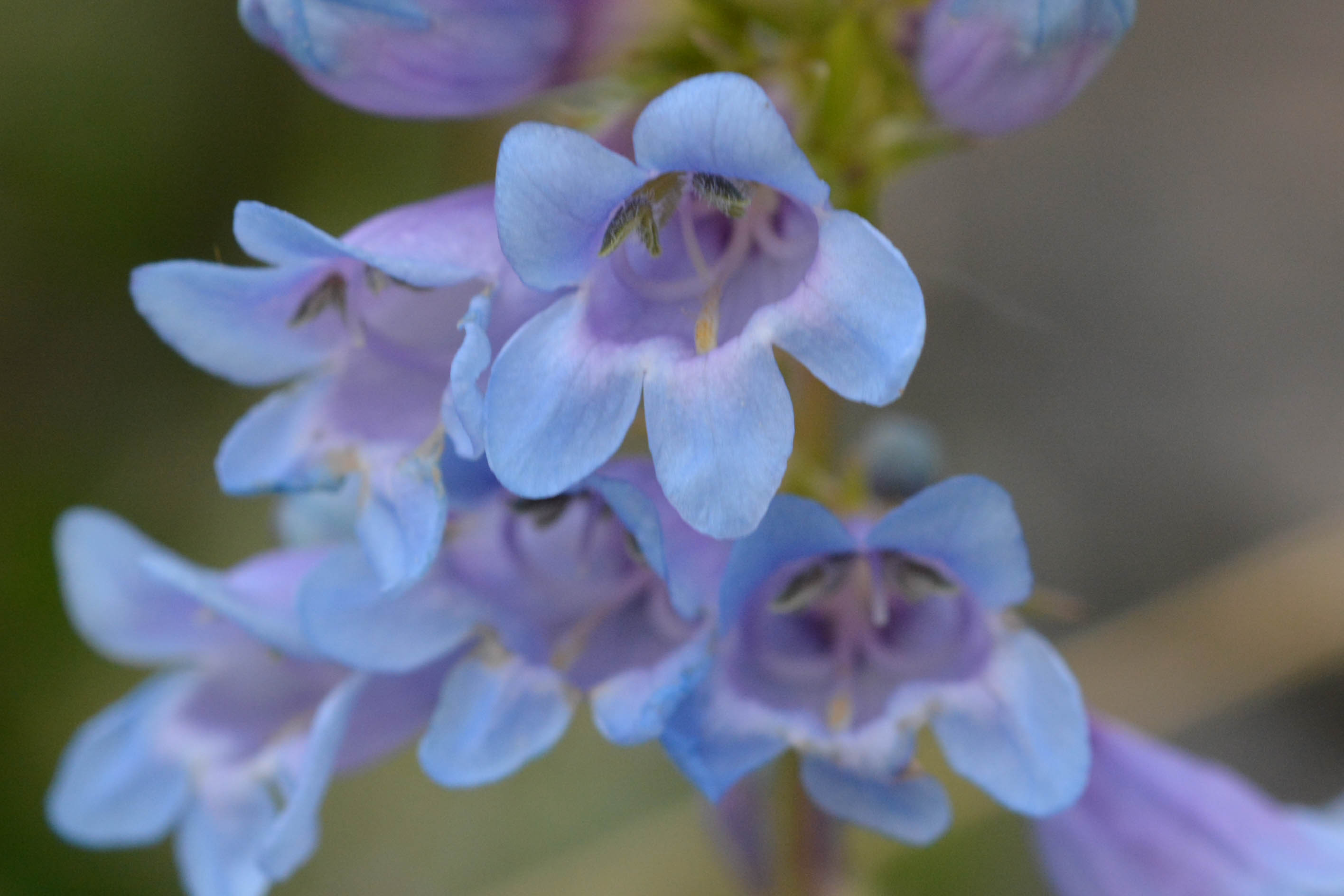
Further up the first rise of the moraine, a piece of sky has fallen by the trail:  a sky-blue beards-tongue or Penstemon stands straight and tall.  Look inside the flowers to find that the anthers are hairy on the back, one of the key identification features.

Pensstemon cyanus

A sky blue Penstemon – Penstemon cyanthus – has smooth leaves, petals, and ovary (!) as well as anthers with hairs on their back side. Look closely!

Other suprises include an occasional wild hyacinth (Tritelia grandiflora), and early One-flowered Sunflower (Helianthella uniflora), and a few remaining long-leaved phlox (Phlox longifolia).  One variety of Silver Lupine (Lupinus argenteus ssp,) is also coming into bloom.  Listen for the House Wren that nests in an aspen trunk and the Green-tailed Towhee singing on top of Big Sage.  You don’t have to travel far to see much.

Ski Lake Trail with Balsam Root

Ski Lake Trail with Balsamroot, Sticky Geranium, Lupine, and Wood Betony.

A more energetic but perhaps more rewarding foray is up the first half of the Ski Lake Trail.

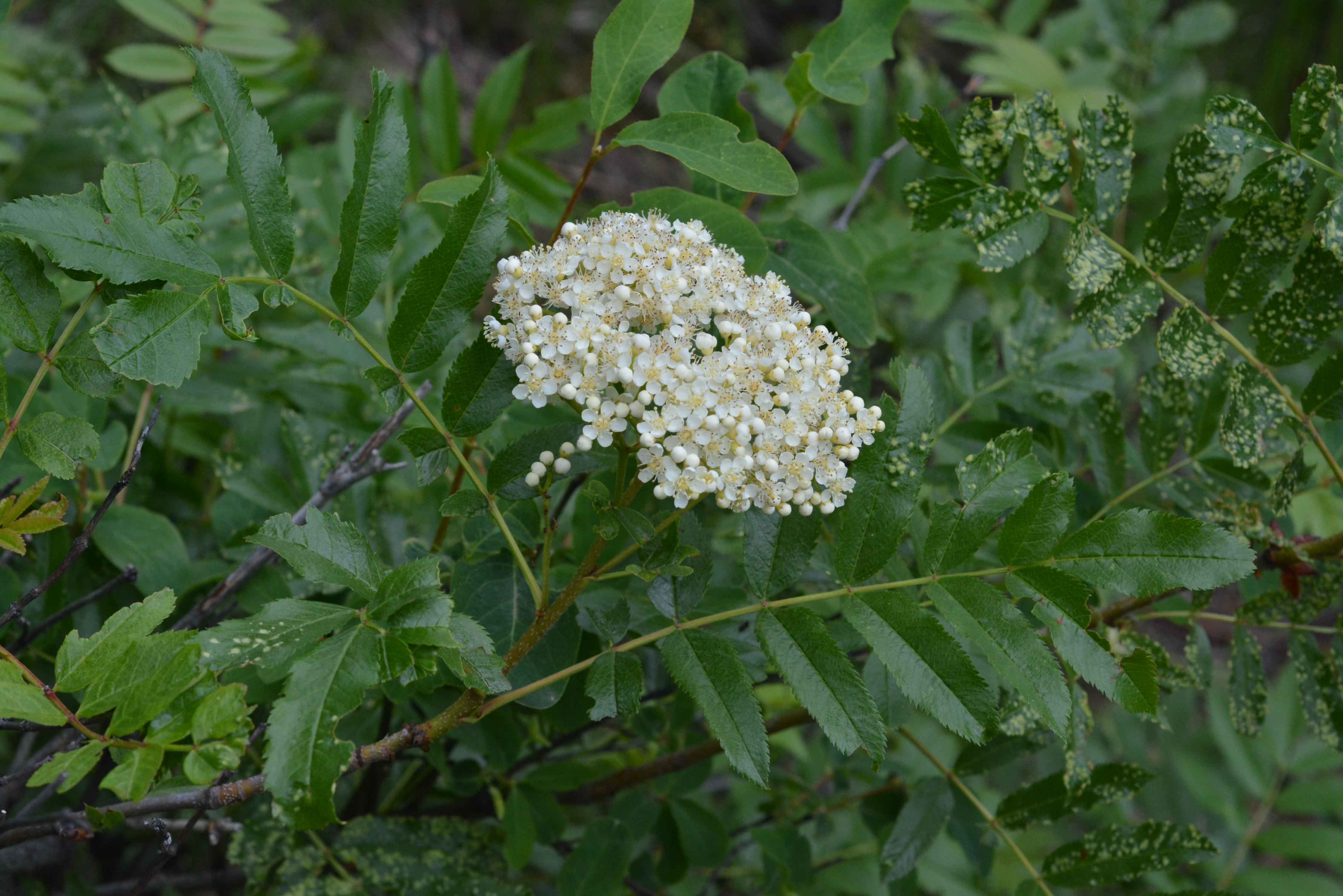
Sorbus scoparia flowers

Mountain Ash with alternate, compound leaves.

As one first starts up the trail, a substantial shrub attracts attention with its large flat clusters of small white flowers.  Western Mountain Ash (Sorbus scoparia) has pinnately compound, sharply toothed leaves arranged alternately up the stems.  The look-alike Black Elderberry (Sambucus racemosa) holds its leaves opposite each other.  The fruits will benefit wildlife in the fall.

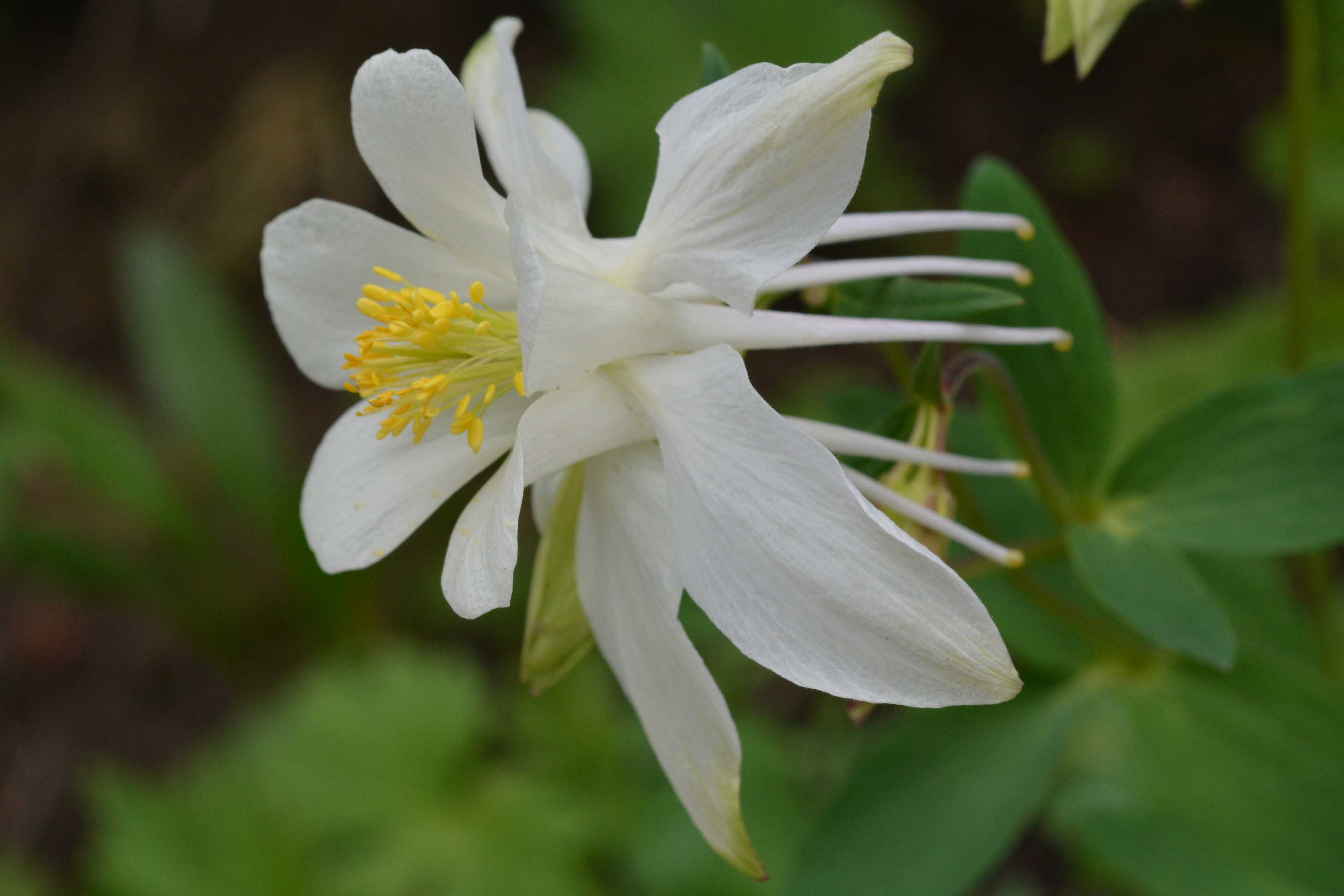
Aquilegia flavescens

Yellow columbine ranges in color from white to yellow.  Note the long spurs harboring nectar.

Yellow Columbine (Aquilegia flavescens), often white in color, seems to fly through the shade. The botanical name means eagle talons.  The long spurs hold nectar for those pollinators which have a long enough tongue or beak to reach to the end.  While the visitors are seeking the sweet nectar, their bodies are showered in pollen  from the protruding anthers.

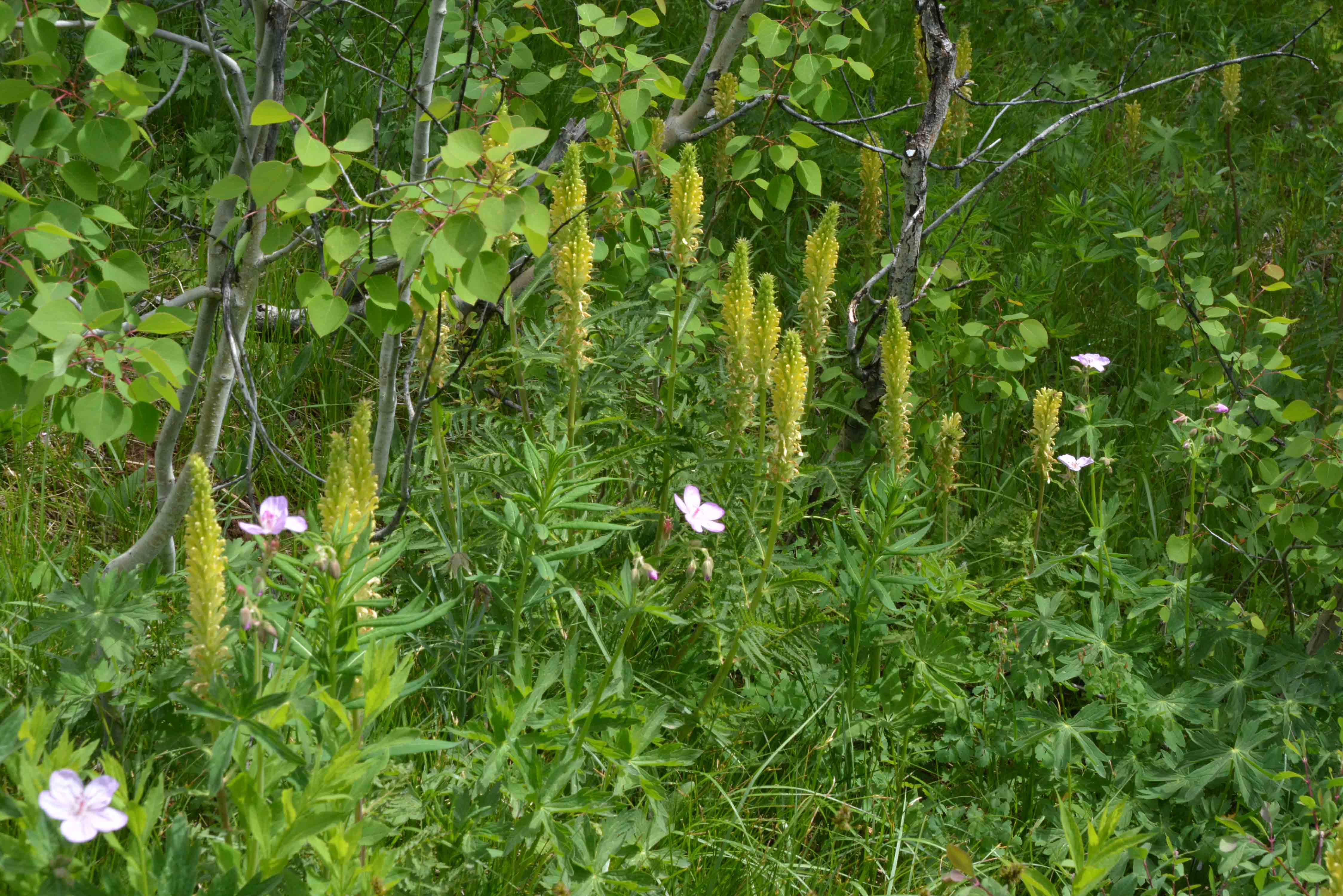
Pedulcaris bracteosa

Fernleaf Lousewort, Wood Betony

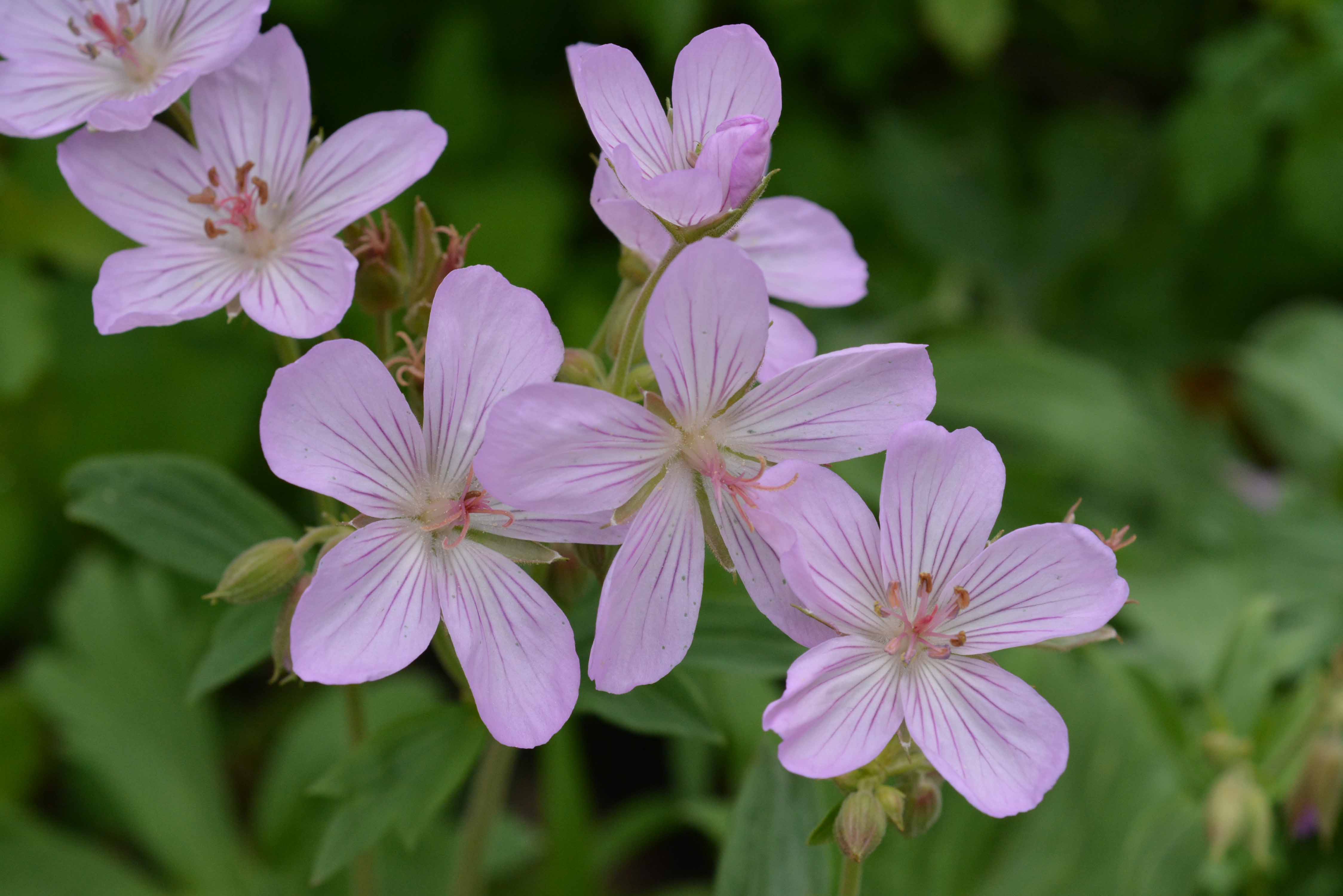
Along the first moist slopes, Western Valerain (Valeriana occidentalis) holds out bunches of tiny white flowers on opposite pedicels. The leaves are also opposite along the stem.  I confess I am constantly confounded by the two large (2-4′) members of the Parsley Family:  Fern-leaved Desert Parsely (Lomatium dissectum) and Fern-leaved Lovage (Lomatium filicinum).  One is growing in abundance, but is not quite in bloom. Anyone know which it is?  What are easy to identify are the Silver Lupines (Lupinus argenteus var. argenteus) with their blue pea-like flowers and palmately dissected leaves, yellow spires of Fern-leaf Lousewort, also called Wood Betony (Pedicularis bracteosa), and pink Sticky Geranium (Geranium viscossissimum)

Geranium viscossimum

Sticky Geranium

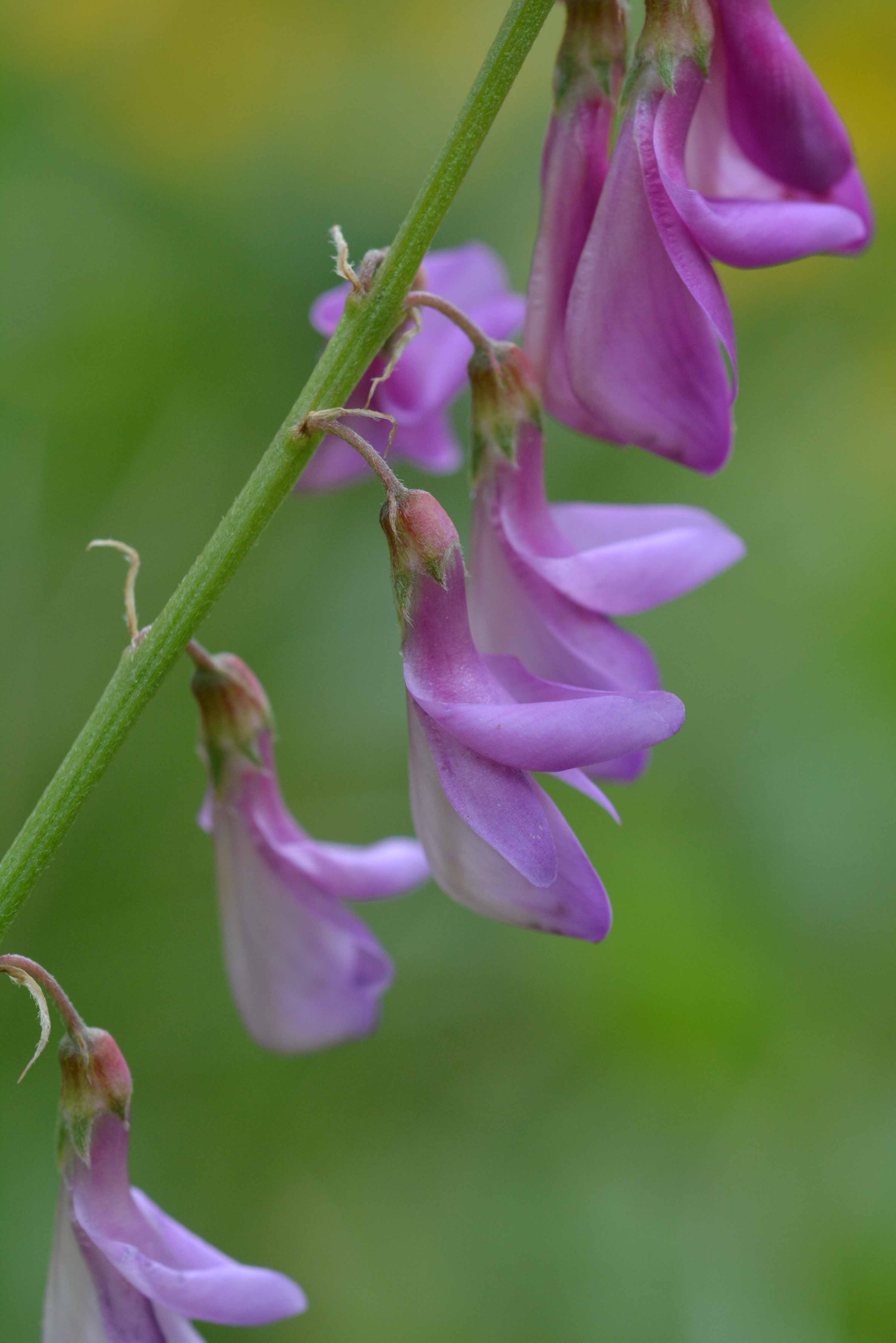
which mix together at random, creating quite a show.   These show-offs are interspersed with the dandelion-look-alike: Nodding Mircroseris (Microseris nutans), various sedges and grasses.  The Western Sweet-vetch (Hedysarum occidentale) with its dangling violet-pink pea flowers and compound leaves attracts particular attention.

Hedysarum occidentale

Western Sweet-vetch

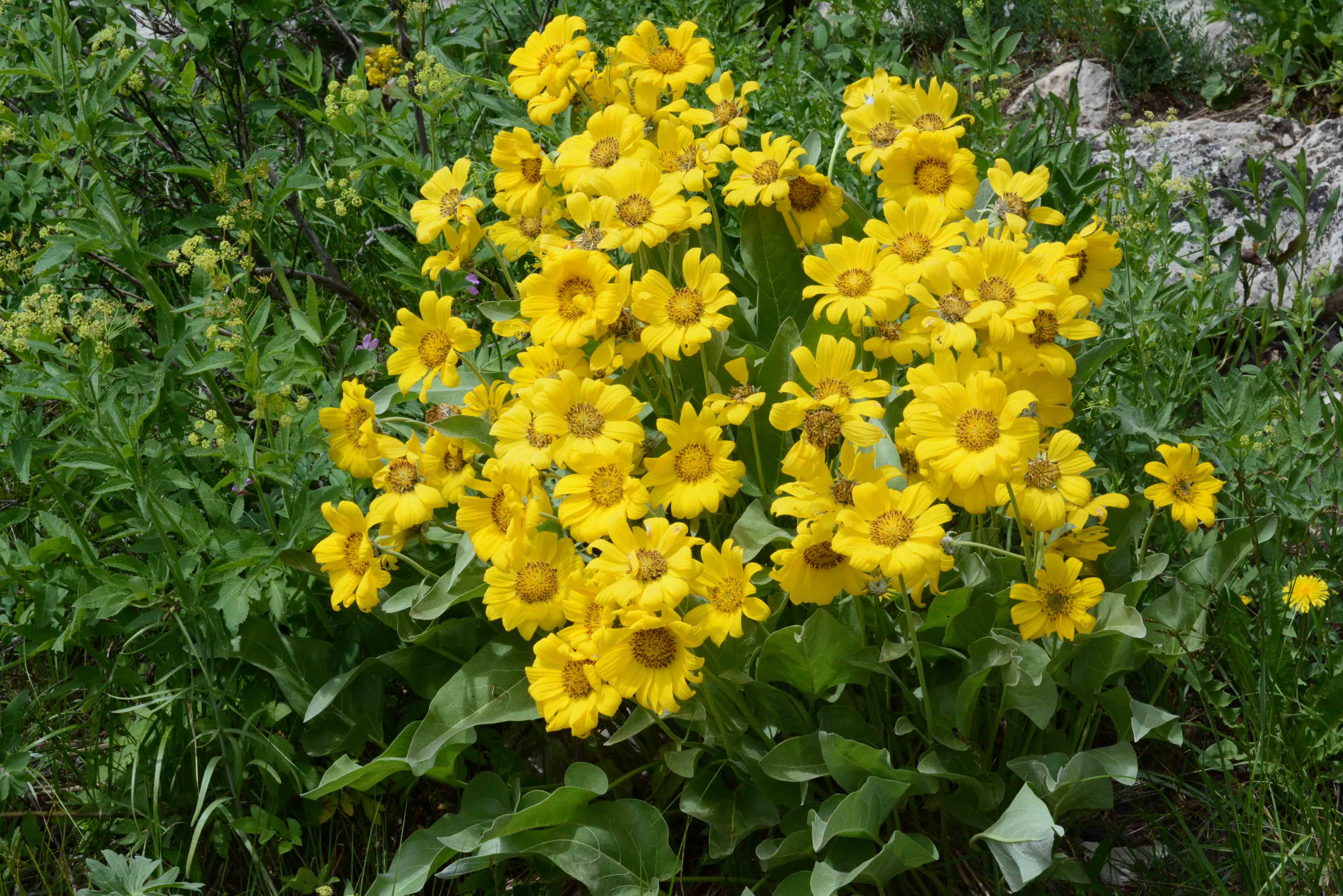
Balsamorhiza sagittata

Balsamroot is still blooming at elevation high above the valley floor.

Balsamroot covers slopes here, as it does throughout the valley this year.   You can’t miss it!  But elsewhere you can confuse it with similar Mules Ears (Wyethia amplexicaulis).  Balsamroot (Balsamorhiza saggitata) has true- yellow flowers and large, greyish-green leaves that are shaped like an arrowhead.  It is usually found on relatively dry slopes or sage flats.  Mules Ears has dark green, 18″ oval leaves and its flowers are a more orange-yellow.  It is found in moist pockets such as off Cattleman’s Road near Oxbow Bend. The big wow is when the bright yellow balsamroot grows alongside patches of deep blue Nuttall’s Larkspur (Delphinium nuttuallianum)

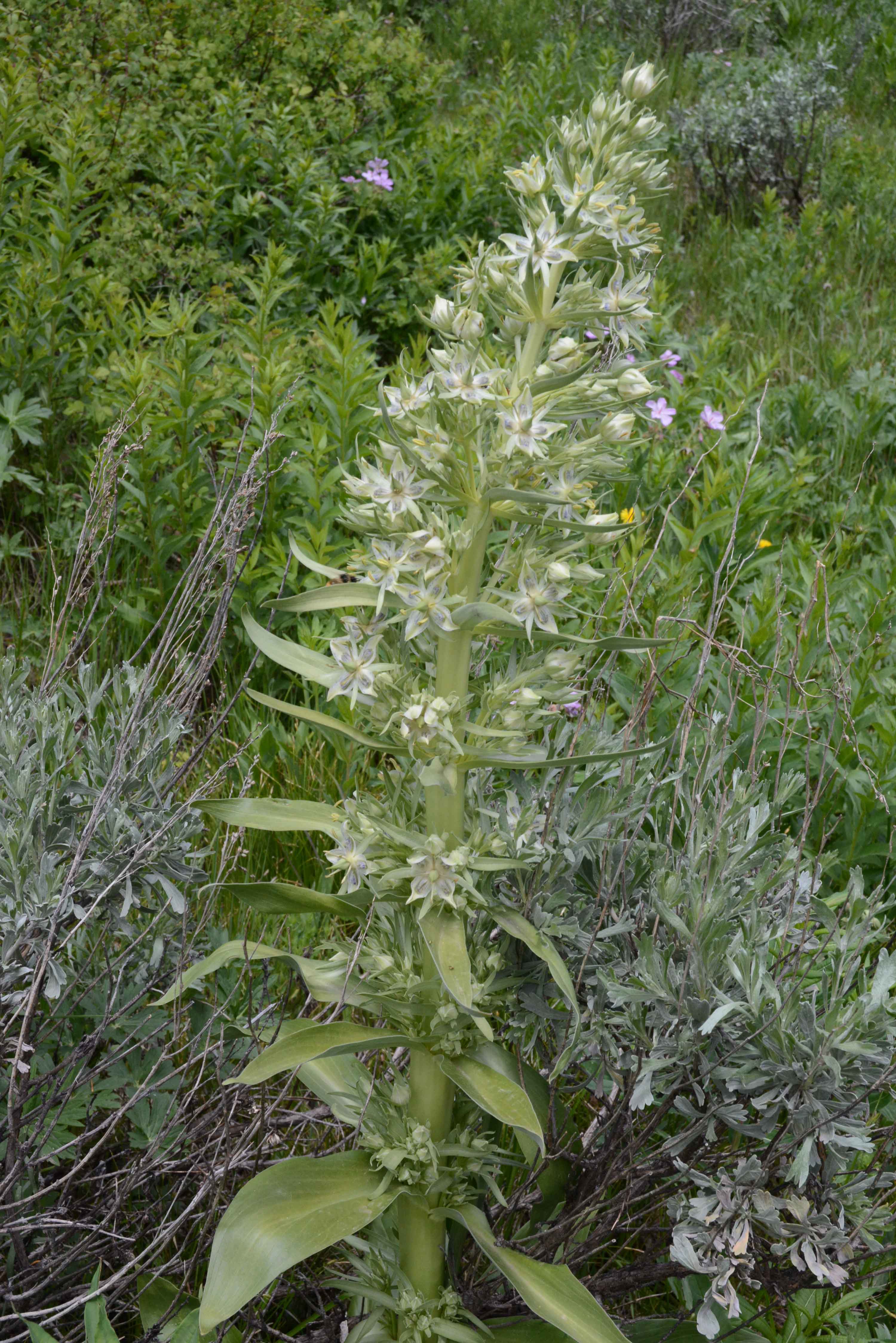
Frasera speciosa

Green Gentian, Monument Plant

A monumental plant which only blooms in abundance every few years is the Green Gentian (Frasera speciosa).  Formerly thought to be a biennial, researchers have discovered an individual plant must live 30-40 years as a rossette of leaves before it has stored up enough energy to finally shoot up its expansive flowering stalk.  After it blooms, the whole plant dies, but only after shedding thousands of seeds. For more of the story go to   http://www.mtnativeplants.org/filelib/72.pdf.  Once every 2-4 years we have an abundance of these plants blooming. And this is such an extraordinary year.

Many more colorful plants are found along this trail and elsewhere in Jackson Hole.  Indeed this trail which rises over 900 feet in elevation covers a two-month span of bloom from start to end.  As you approach Ski Lake there is still the very early Spring Beauty (Claytonia lanceolata) flowering where the snow has just melted off, as well as the large blue bell-shaped flowers of Sugarbowls (Clematis hirsutissima).

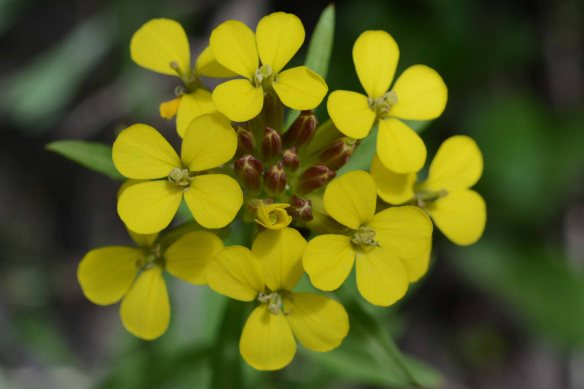
Below are some additional plants to look for.Erysimum asperum

Western Wall Flower (Erysimum asperum) – This is one of the more attractive members of the Mustard Family. Note 4 petals, 6 stamens, and one pistil are typical features of this large family.

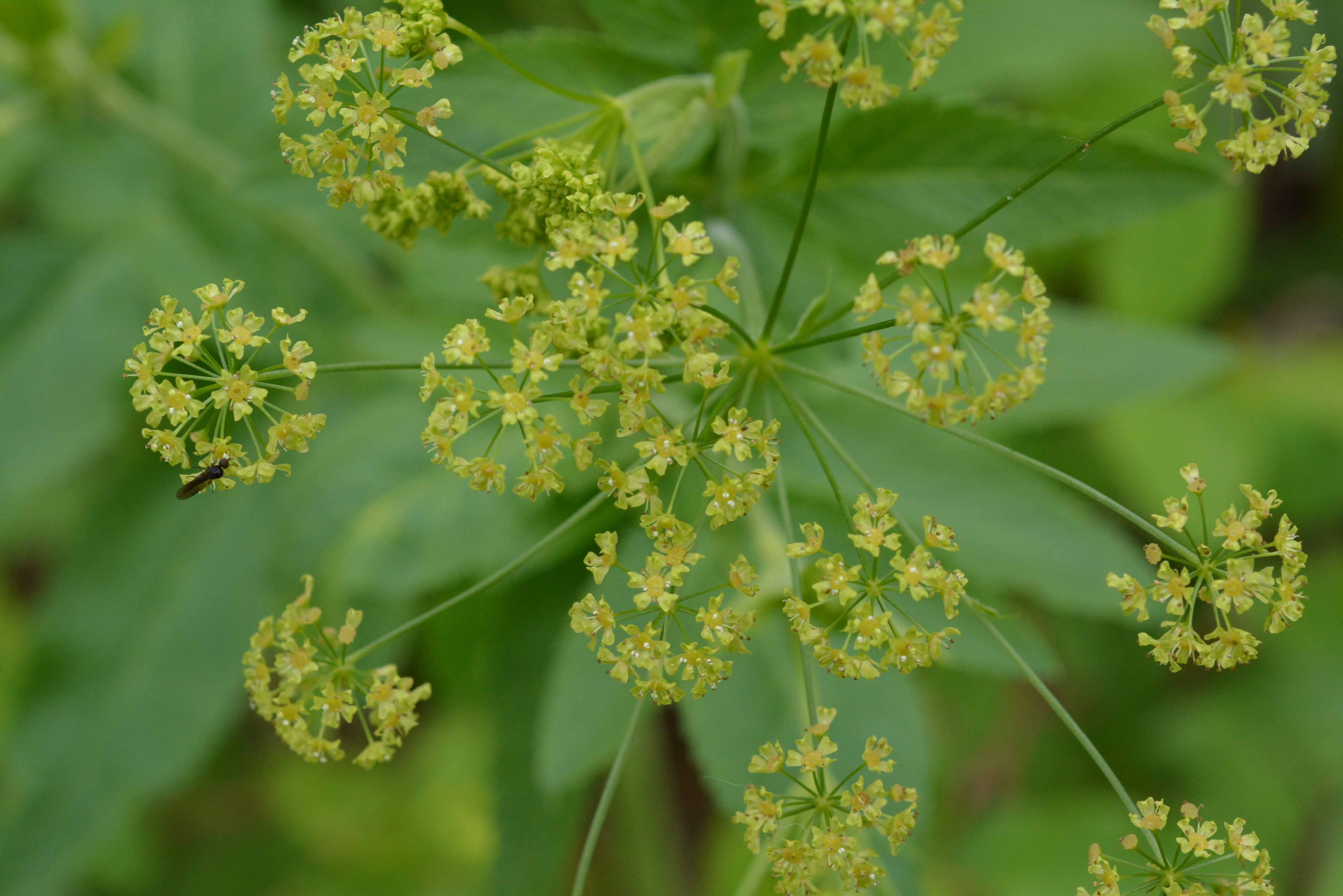
Osmorhiza occidentalis

Western Sweet-cicely (Osmorhiza occidentalis) – Yellow sprays of tiny flowers will develop licorice tasting fruit.

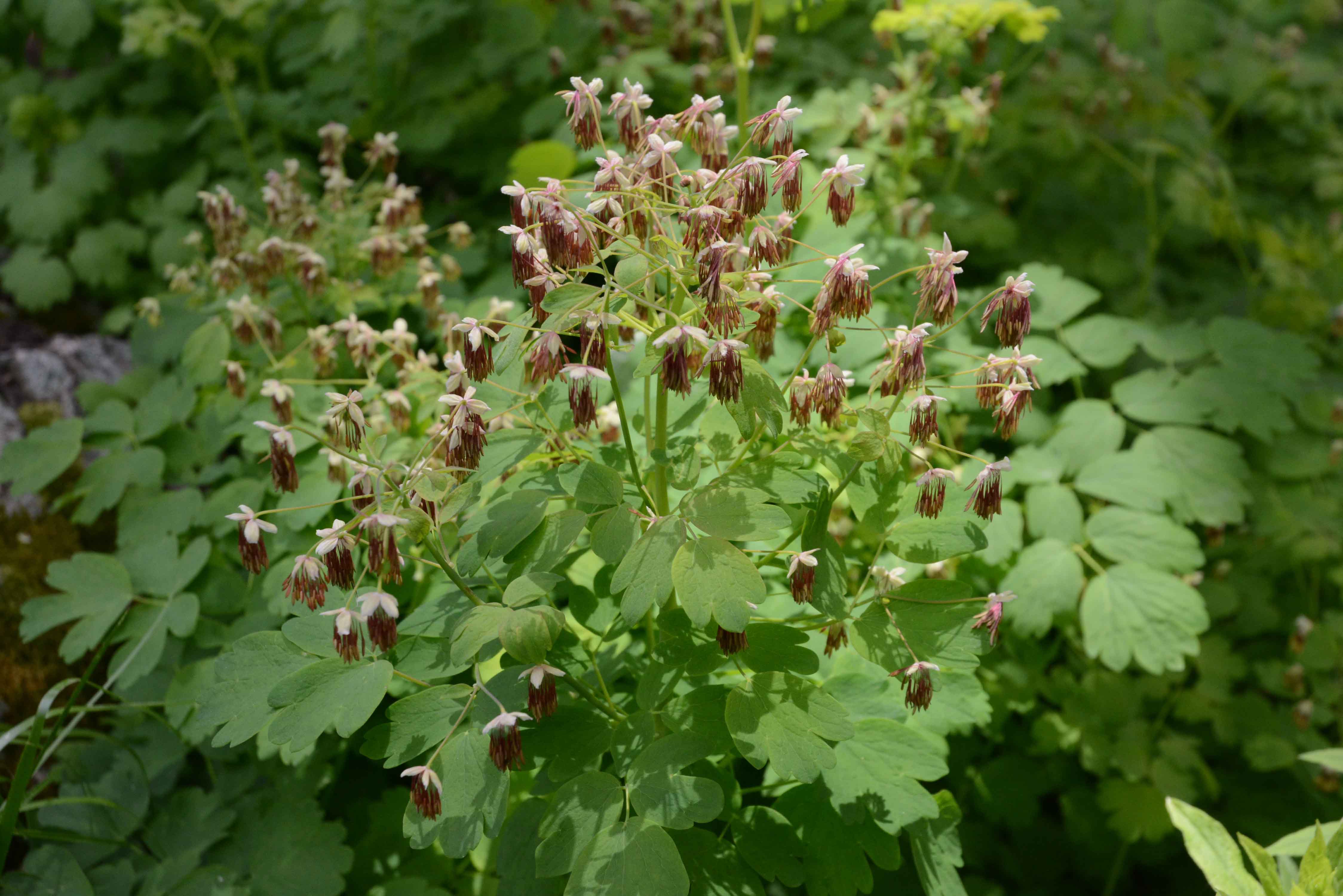
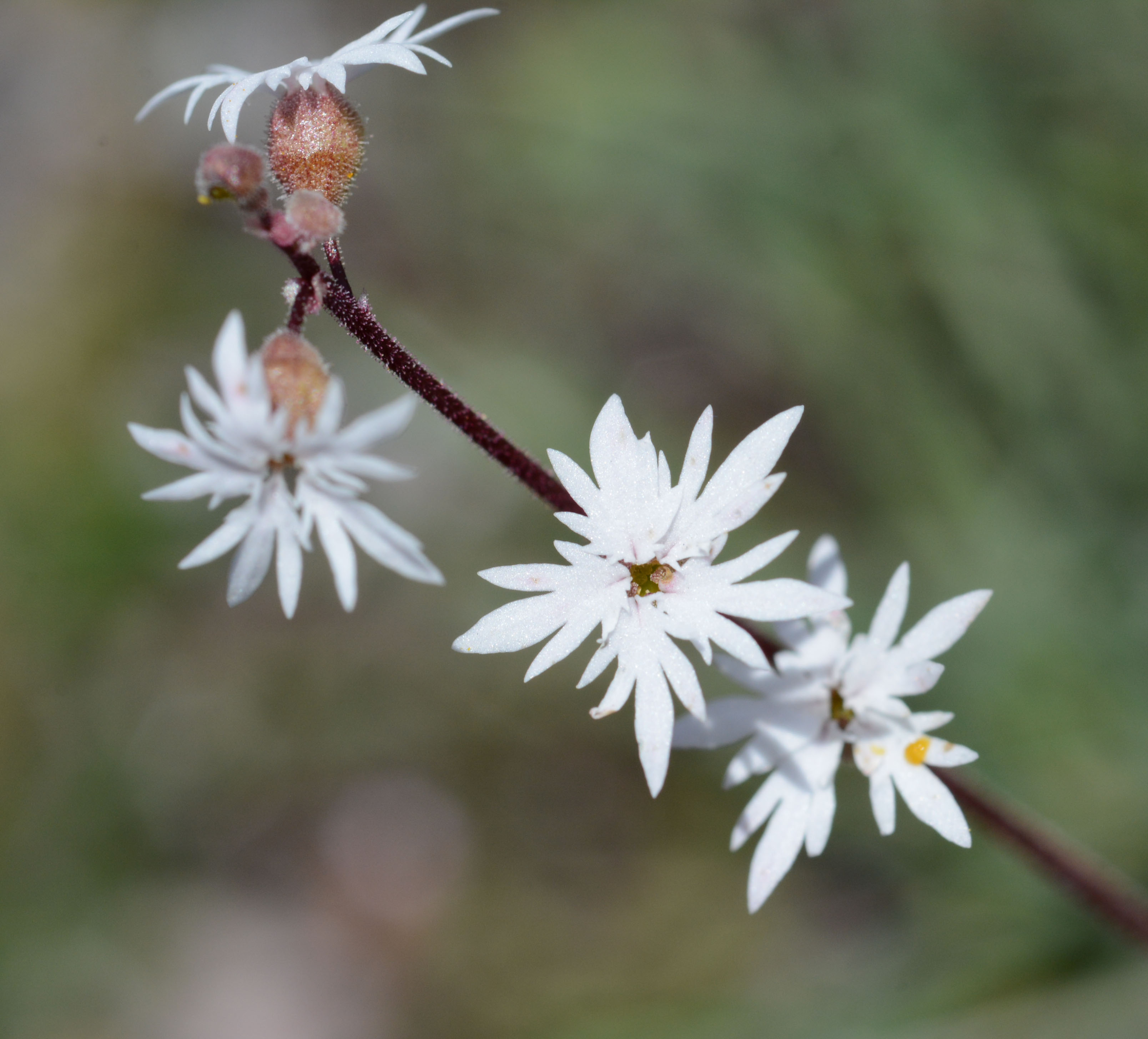
Thalictrum occidentale - male flowers

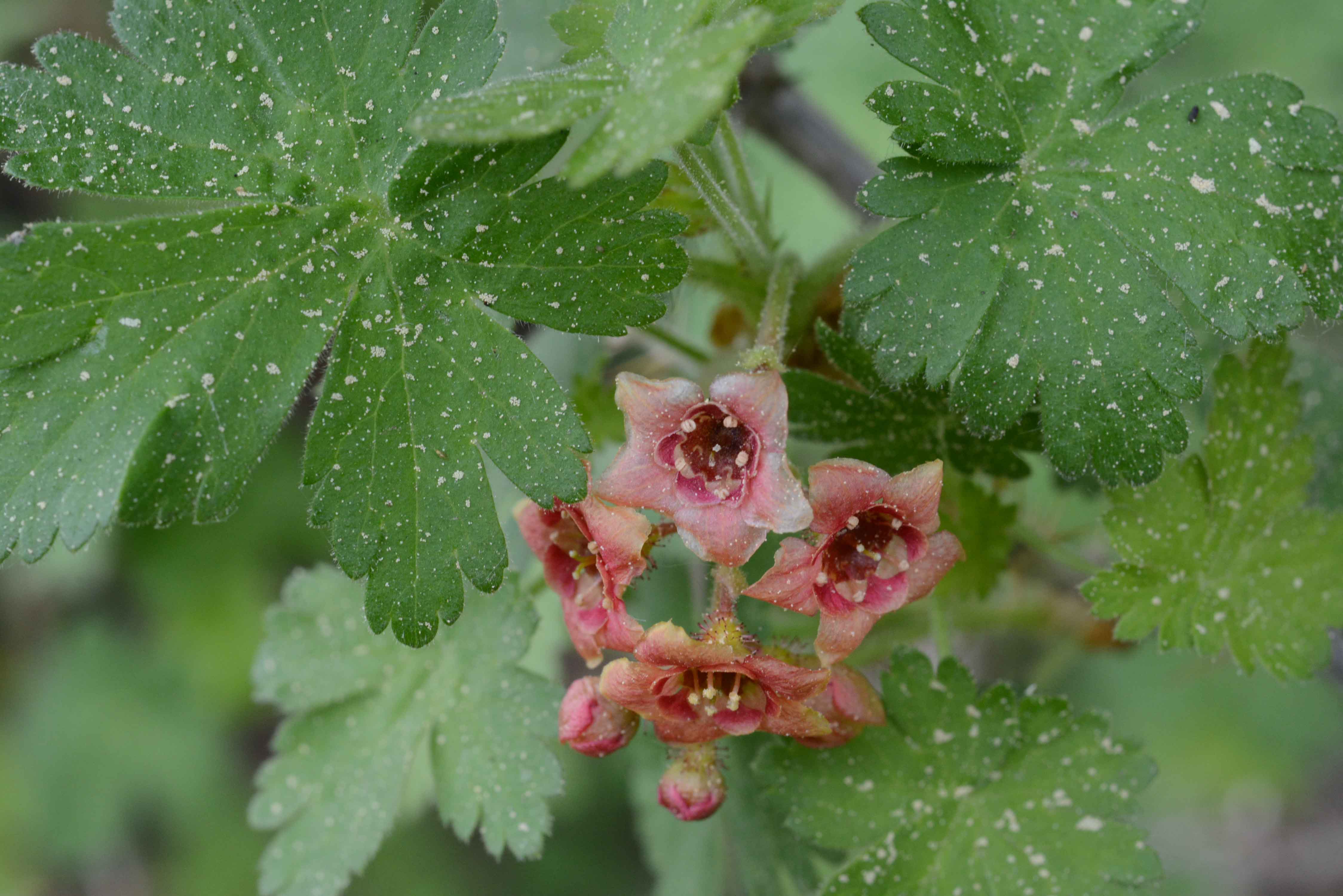
Ribes montigenum

Mountain Gooseberry (Ribes montigenum) – Red saucer-shaped flowers and glandular leaves. The sticky hairs trap pine pollen.

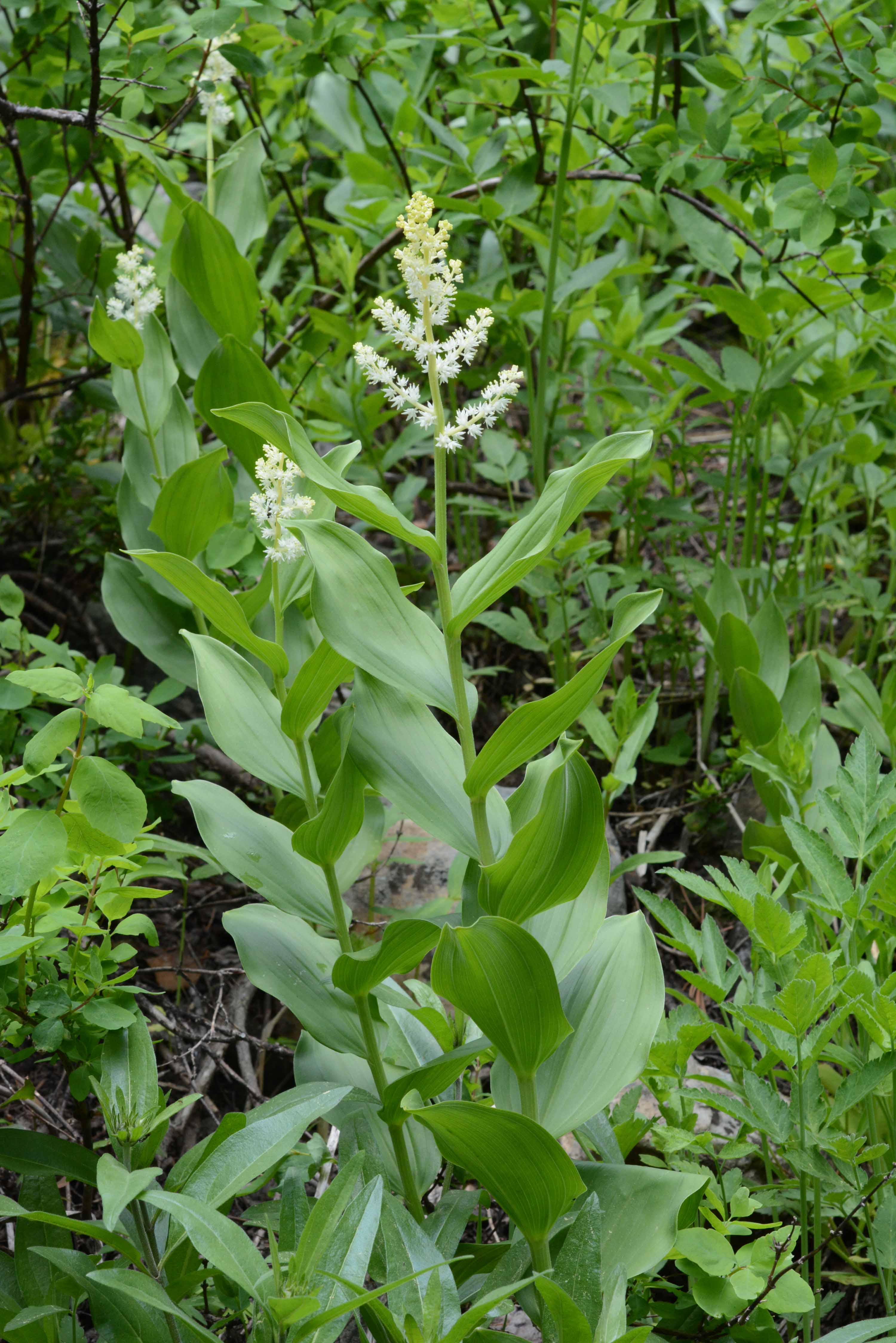
Maianthemum racemosum

False Solomon’s-seal (Maianthemum racemosum) -Note broad lily-like leaves with wavy edges and flowers held in racemes. The plant grows upright in sun but arches in shade.


Castilleja miniata

Scartle Paintbrush or Common Red Paintbrush (Castilleja miniata) – Paintbrushes can vary widely in their color even within the same species.   The color is provided mostly by the bracts that are held below the individual flowers.  Here the bracts are broad and toothed.  In this species the leaves are entire, not toothed or divided.

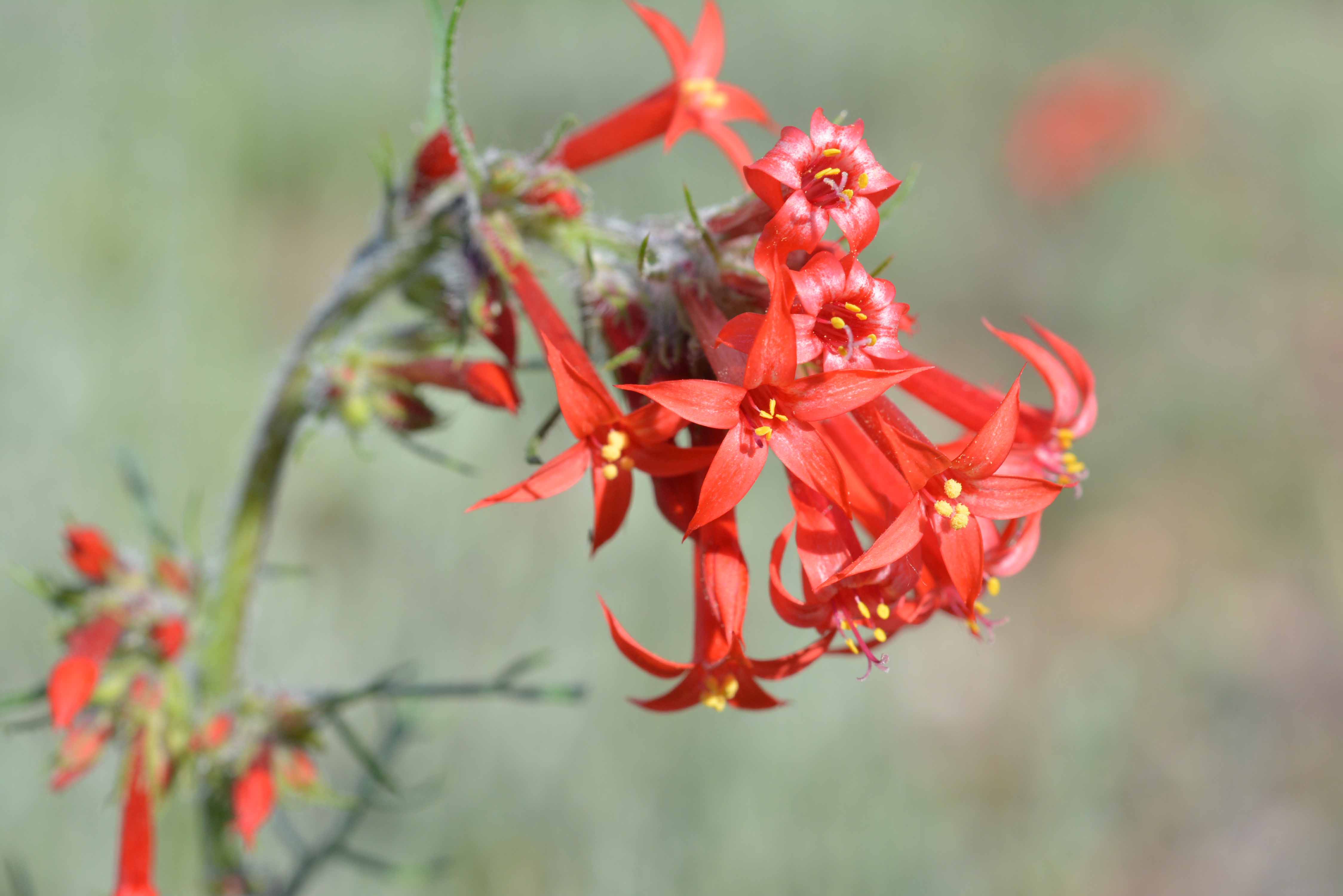
Scarlet Gilia (Ipomoxis aggregata) - Tubular red flowers attract hummingbirds, but also other long-tongued insects.

Scarlet Gilia (Ipomopsis aggregata) – Tubular red flowers attract hummingbirds, but also other long-tongued insects. These are also in blooom along the inner park road amidst the sage brush.

I hope you get out and enjoy this wonderful time of year.  Let me know of any questions, and send in your comments or plant id questions to this site or to our email tetonplants@gmail.com

Frances Clark, Wilson, WY